

















































































Kaspersky is urging Filipinos to exercise caution when connecting to public WiFi networks, as cybercriminals continue to exploit unsecured connections to intercept personal data, steal credentials, and spread malware.
“Free WiFi feels convenient, but it often comes at a hidden cost. Cybercriminals know that public networks require no authentication, making it easy for them to intercept data without users ever realizing it,” Choon Hong Chee, Head of Consumer Channel for APAC at Kaspersky said.
This comes after the Department of Information and Communications Technology (DICT) recently shared tips on how the public can safely use the internet when browsing public WiFi, warning that such connections are risky because users “may become soft targets for hackers.”
The agency advised Filipinos to refrain from accessing banking apps on public WiFi, verify that the network name is legitimate, turn off auto-connect on their phones, and log out of their accounts after use.
“The DICT’s warning echoes exactly what we have been seeing in our own threat research. The moment you connect to an unsecured network, you may be exposing your passwords, banking details, and personal messages to anyone monitoring that connection,” he further said.
To stay safe, Kaspersky experts also recommend following these tips:
-
Avoid sensitive transactions: refrain from accessing banking or other sensitive accounts while on public Wi-Fi.
-
Verify the network: ensure the network is legitimate by confirming with the establishment offering it.
-
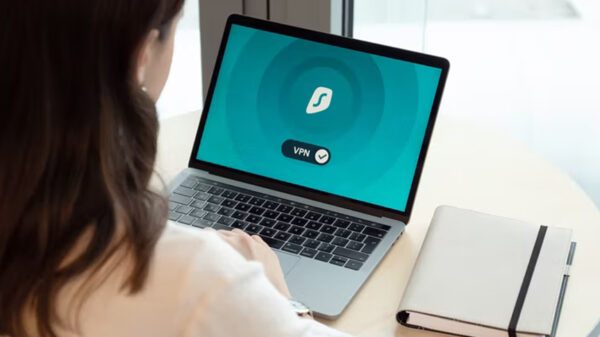
To protect your data, use a reliable VPN solution.
-
Enable firewall: make sure your device’s firewall is active to block unauthorized access.
-
Use strong passwords: always use strong, unique passwords and enable two-factor authentication for extra security.
-
Manage sensitive data securely: avoid storing passwords or recovery phrases in your photo gallery or notes; instead, use a dedicated, trusted password manager such as Kaspersky Password Manager.
-
Use reliable cybersecurity software like Kaspersky Premium to prevent infections and scan your device regularly.
-
Keep software updated: regularly update your operating system, apps and antivirus software to protect against the latest threats.
-
Disable file sharing: turn off file sharing and AirDrop on your device to prevent unauthorized access.
-
To avoid relying on public Wi-Fi, purchase an eSIM from the Kaspersky eSIM Store before your trip for a seamless internet connection abroad.
If your device doesn’t have a VPN installed and you’re forced to connect to public Wi-Fi, follow these rules:
-
Do not pay for purchases online: your banking data can be intercepted
-
Do not transmit any important information without a secure connection
-
Do not log into personal accounts that aren’t protected by two-factor authentication (2FA)
-
Use only strong passwords and store them securely
-
Disable file sharing and AirDrop (if you have it) on your devices to prevent unauthorized access to your files
-
Enable the firewall on your laptop
-
Regularly update the operating system and applications on all your devices to patch new vulnerabilities
General rules of digital hygiene:
-
Don’t use public USB chargers
-
Don’t send sensitive information over connections that aren’t secure
-
Don’t log in to banking, email, or social media accounts over unsecured Wi-Fi
-
Turn off Bluetooth and NFC while walking around in crowded places
-
Don’t trust QR codes posted on the street
-
Connect to public Wi-Fi only when absolutely necessary