















































































In an era where consumers demand instant, transparent information about their purchases, the supply chain industry is undergoing a transformative shift. The 2023 Global Shopper Study by Zebra Technologies revealed that 77% of retail associates confirm that today’s shoppers are more informed than ever, highlighting a well-connected, discerning consumer base.
In light of these evolving consumer expectations, businesses are revamping their products and supply chains to offer greater transparency, resilience, and sustainability. The study further reveals that approximately 7% of companies are incorporating or planning to incorporate business intelligence and analytics into their supply chain management strategies.
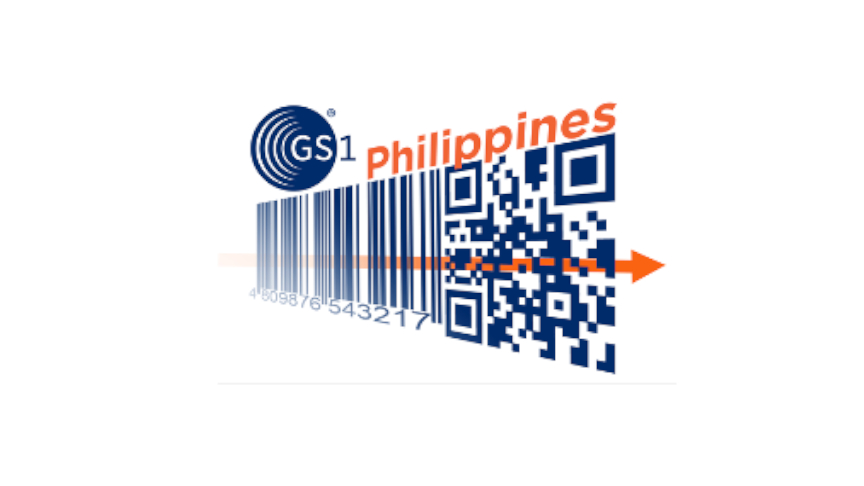
Responding to these industry challenges, GS1 Philippines, the leading organization on local barcode standards, has announced the start of the adoption of the 2D barcode in the Philippines aimed to further enhance operational efficiency in the supply chain industry and bridge better product engagement between businesses and consumers in the advent of digital labeling.
The 2D barcode, most popularly known as “QR code,” leverages web technologies and the current barcode system to store extensive product information in just one scan. Through the QR codes, brand owners and retailers can easily interact with consumers and shoppers by providing in-depth information on their physical products. By scanning the QR code with a smartphone, buyers can instantly see ingredients, allergens, recipes, rewards, and promotions, as well as brand-authorized details about where the item was manufactured, facts about sustainable sourcing, guidance on recycling, easy ways to re-order and other kinds of information.
The QR code also allows retailers and supermarkets to ensure product safety, guarantee product freshness, and reduce food waste. Additionally, it enables regulators to check a product’s sustainable characteristics.
Moreover, the migration to the 2D barcodes improves operational efficiency in the supply chain industries. In addition to holding GS1’s global trade item number found in the traditional 1D barcodes, the QR codes can now store essential information, such as a product’s batch or lot number, serial number, and expiry date. With access to crucial data, all stakeholders in the supply chain can boost transparency, improve inventory management, enable traceability and sustainability initiatives, and simplify recall and return processes.
“In the face of rapid technological advancements, it’s critical that we adapt to empower the supply chain industry further. The introduction of QR code technology serves as Pandora’s box, opening infinite possibilities for brands and retailers to make their operations more efficient and improve customer engagement. GS1 Philippines members pave the way in this groundbreaking transition to more efficient and robust supply chain operations,” GS1 Philippines President Roberto “Bobby” Claudio said.
The announcement aligns with the global commemoration of GS1 Global’s 50th anniversary of the barcode’s invention, celebrating a legacy of innovation in business solutions through web technologies and GS1 Standards.
GS1 Philippines is eyeing to prepare industries for the shift to the 2D barcode by 2027. By then, all retail POS scanners globally are capable of reading and processing 2D barcodes powered by GS1 and there is broad, global brand owner implementation of the same.
Currently serving more than 5,000 retailers, GS1 Philippines targets to reach 30,000 businesses nationwide by the end of 2024.