























































Among 13 nationalities, Filipinos are the most worried about security issues, with the top areas of concern being identity theft, natural disasters and credit card fraud, according to the 2018 Unisys Security Index which measures concerns of consumers on issues related to national, financial, internet, and personal security.
The Philippines reported the highest average security index of 232 out of 300. Considered as a serious level of concern, the security index was reported despite an 11 points reduction compared with last year’s level of concern. The decline was the result of the decreases registered across all areas of security issues in 2018. On the other hand, the latest security index for the Philippines is 59 points higher compared with the global average score of 173.
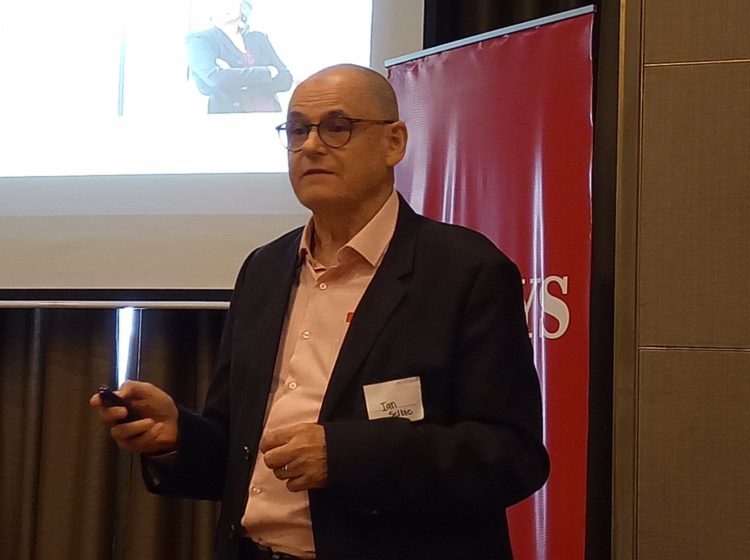
Ian Selbie, solutions director, financial services at Unisys Asia-Pacific, said the biggest concerns of Filipinos are not about personal and physical safety but about identity theft, or the unauthorized access to, or misuse of, personal information with 88% of Filipinos are worried about; bank card fraud or when people obtain or use credit/debit card details of others (86%); and computer viruses (83%) which he claimed are concerns that barely existed 10 years ago when they started doing the survey.
The Philippines is the only country where natural disasters are on the list of major concerns – number two in terms of areas of concern. “You have a lot of Metro disasters in the Philippines in comparison to New Zealand which was hit by earthquakes. The Philippines has a bigger variety of natural disasters,” said Selbie.
Other areas of concerns for Filipinos include war or terrorism (81%), financial obligations (79%), personal safety (79%), and shopping/banking/online (76%).
The importance of stability
It was found out in the study that security concerns are highest in developing countries compared with developed nations. To explain this, Selbie cited The Netherlands and New Zealand as countries that had stable systems and government processes for many years. Consequently, the public had learned to rely on stability and hence, have low concerns about everything. Stability plays a big part for their systems to be reliable and stable.
The study also revealed that Filipinos are more comfortable using various forms of digital identities in making online interactions with the government than with commercial or financial service providers. For those who are not comfortable using digital identities, they singled out concern about data security as the utmost reason.
Eighty seven percent of Filipinos are comfortable using digital identities within the government space when it comes to biometrics data for airport security while 76% are comfortable using ID and authentication to access multiple government services. There is also a high degree of comfort to use data when it comes to security in accessing government agencies online, and using law enforcement and border control agencies to identify potential criminals and also for a centralized electronic health report that can be viewed securely online.
On the other hand, Filipinos are not comfortable using digital identities in accessing open banking financial services from multiple providers or authorizing payments from mobile devices. Selbie said that Filipinos are open to open banking more than Australians but they are concerned about data security and safety. Open banking is already happening in the UK, Australia, and in Singapore, to some extent. Where it has been happening, it has been safe as there have not been any publicized cases where fraud is taking place, according to Selbie.
“We think they trust the bank more than other organizations but they trust the government the most and that is associated with the general attitude of trust and the government is being there to protect you,” said Selbie. “That’s why people see them as being a good custodian of a digital identity and also they see the benefits of doing so.”
Role of AI in preventing financial crimes
Asked about the technology that expects to see wider adoption to detect and prevent financial crimes, Selbie said artificial intelligence (AI) is the upcoming technology that can be used to profile normal behavior for customers and accounts.
“The use of normal detection in looking at transaction streams to detect changes and behavior not just of individual customers but maybe group of customers that suggests that maybe there is an annotative breach and in which case there is going to be a fraud so it’s more of like a predictive indicator,” said Selbie.
The Unisys Security Index is based on an online survey from August 19 to September 3, 2018 with samples of at least 1,000 adults in Argentina, Australia, Belgium, Brazil, Colombia, Germany, Malaysia, Mexico, Netherlands, New Zealand, Philippines, the UK and the US. Filipinos 18-65 years old who participated in the survey numbered 1,004.