October marks Cybersecurity Awareness Month, a timely reminder of the urgent need to protect businesses and individuals in an increasingly connected world. While artificial intelligence (AI) has opened doors to new productivity—automating workflows, accelerating insights, and transforming how we work—it has also armed cybercriminals with sharper, more sophisticated tools to orchestrate cyber attacks.
In 2024 alone, the Cybercrime Investigation and Coordinating Center (CICC) logged over 10,000 cybercrime complaints in the Philippines, from phishing scams and deepfake-related fraud to identity theft. Now, HP’s latest Threat Insights Report reveals that attackers are not just multiplying, they’re refining their tactics, making cyber threats harder to spot and stop.
The latest attack trends identified by HP Wolf Security include:
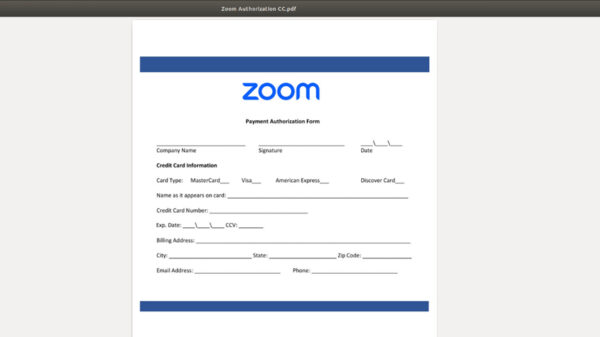
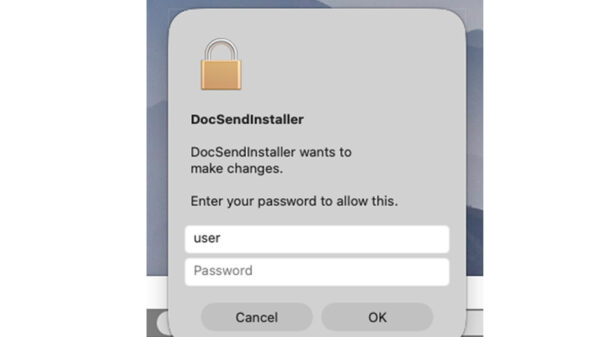
- Fake PDF Invoice Lures – Ultra-realistic, malware-laced PDF files mimicking Adobe Reader interfaces, complete with fake loading bars to trick victims into activating hidden reverse shells.
- Malware Hidden in Images – Malicious code concealed in pixel image data, later wiped to erase evidence of compromise.
- Living-off-the-Land (LOTL) Tactics – Greater use of legitimate Windows tools chained together to mask malicious activity and evade traditional security detection.
“Attackers aren’t reinventing the wheel, but they are sharpening it,” said Alex Holland, Principal Threat Researcher at HP Security Lab. “By blending familiar methods like phishing with stealthier delivery techniques, today’s cybercriminals are raising the bar for defenders.”
“Cybersecurity is now a growth enabler, not just a safeguard,” said Ida Evina Ong-Co, Managing Director of HP Philippines. “As Filipino businesses embrace AI and hybrid work, they need solutions that can anticipate threats before they strike. Our commitment at HP is to empower organizations of all sizes with solutions that are secure and resilient by design, so they can innovate and grow with confidence as they turn to AI as a competitive edge to drive the future of work.”
This threat evolution carries big implications for Philippine businesses, particularly micro, small, and medium enterprises (MSMEs), which make up 99.63% of establishments nationwide. A Cisco study found that over half of local SMBs had already suffered a cyberattack within a year, underscoring how vulnerable these organizations are.
HP is addressing this challenge by building security directly into its devices. With self-healing firmware, AI-powered threat detection, and hardware-enforced protection, HP Wolf Security enables organizations to neutralize attacks in real time. Threats that evade traditional detection are safely contained and analyzed, providing rare visibility into attackers’ latest techniques. To date, HP Wolf Security users have clicked on more than 55 billion risky links and files with no reported breaches.
As the Philippines continues to embrace AI and hybrid work, HP stresses that defense-in-depth—from endpoint protection to secure connectivity—is essential. By adopting a proactive and security-first mindset this Cybersecurity Awareness Month, organizations can not only safeguard their digital ecosystems but also build the trust needed to unlock the full potential of AI-driven growth.