As the holiday season kicks into high gear, millions of Filipinos are turning to online platforms for shopping, gift-giving, and connecting with loved ones. But while the convenience of digital transactions continues to grow, so too does the risk of falling victim to cybercriminals, warned Kaspersky, a global leader in cybersecurity and digital privacy.
“Given the Philippines’ high exposure to cyber threats, it’s important for both individuals and businesses to stay vigilant,” said Adrian Hia, Managing Director for Asia Pacific at Kaspersky. “Taking simple steps, such as using reliable security tools and staying informed about common online scams, can go a long way in preventing cyber incidents.”
Just a quarter before the holidays, Kaspersky products detected 3,385,368 web-based cyber threats on the computers of Kaspersky Security Network (KSN) participants in the Philippines between July and September 2024. During this period, 28.3% of users encountered these internet-borne threats, placing the country 8th globally in terms of web threat exposure.
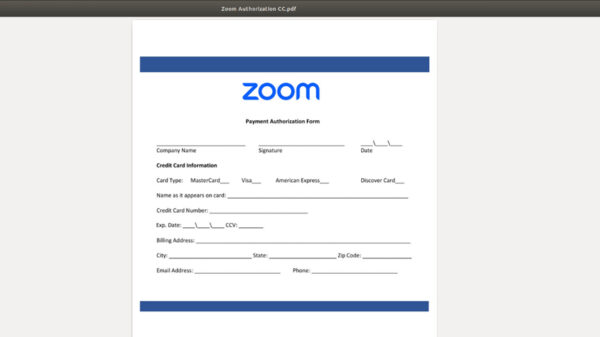
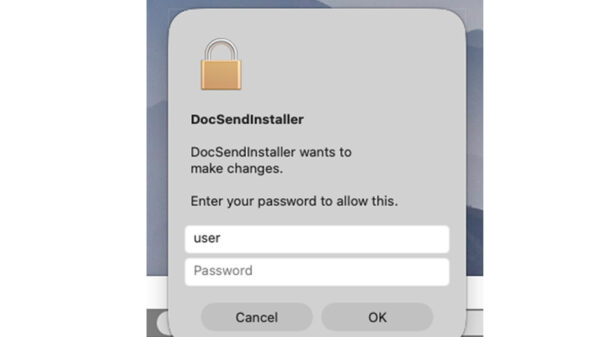
Among the most prevalent cyber attacks are phishing emails and malicious links, which are often disguised as holiday offers, delivery updates, or seasonal greetings. Cybercriminals use these to trick recipients into clicking on harmful links or opening infected attachments.
Fake websites are another danger, often imitating trusted retailers or service providers to steal payment information. Shoppers may unknowingly enter their credit card details or personal data, only for it to be intercepted by fraudsters.
File-less malware also becomes a significant concern during this time, operating without installing traditional files on a system, making it difficult for antivirus programs to detect. It often takes advantage of legitimate tools to carry out malicious activity in the background.
To protect against these threats, Kaspersky offers actionable advice for both consumers and businesses:
For Consumers:
1. Verify emails and links: Check sender details and avoid clicking suspicious links. If in doubt, visit official websites directly.
2. Secure your online transactions: Use verified payment methods and strong passwords.
3. Avoid public Wi-Fi: Use VPN software to encrypt if you must use public Wi-Fi.
4. Bookmark trusted sites: Prevent accidental access to fake websites.
5. Enable two-factor authentication (2FA): Add an extra layer of security to your accounts.
For Businesses:
1. Update all systems: Prevent vulnerabilities by applying patches promptly.
2. Educate employees: Use tools like Kaspersky’s Automated Security Awareness Platform to train staff against phishing and social engineering.
3. Implement strong access controls: Limit user access to essential areas of the network.
4. Set up a Security Operations Center (SOC): Use advanced tools like Kaspersky’s XDR solutions to defend against sophisticated cyberthreats.
5. Use the latest Threat Intelligence information to have an in-depth visibility into cyberthreats targeting your organisation and provide your InfoSec professionals with the most comprehensive and up-to-date information regarding potential malicious actors and their TTPs.