





















































Connect with us

Hi, what are you looking for?

HEADLINES

Smart warns against fake ‘donation’ scam

Smart has received reports about unscrupulous individuals pretending to be company executives or representatives of organizations asking for donations for made-up or nonexistent relief operations. The scammers would then send payment QR codes where potential victims are supposed to send their ‘donations’ to.

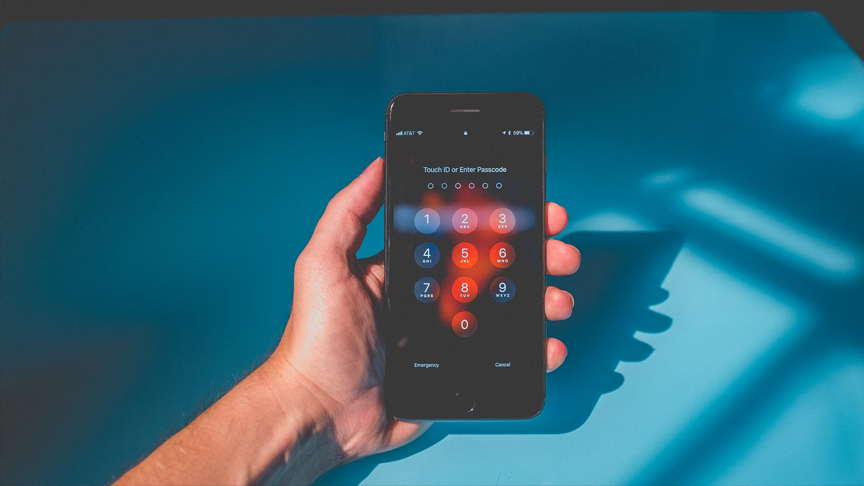
Photo by NeONBRAND from Unsplash.com

PLDT wireless unit Smart Communications, Inc. (Smart) warns customers about solicitations being sent through online messaging platforms and over-the-top (OTT) apps. Smart has received reports about unscrupulous individuals pretending to be company executives or representatives of organizations asking for donations for made-up or nonexistent relief operations. The scammers would then send payment QR codes where potential victims are supposed to send their ‘donations’ to.
 
Smart has been actively blocking from its network mobile numbers found to be scammers, to further protect customers. It is also working closely with digital payment platforms and concerned government agencies to investigate reported incidents and aid authorities in the prosecution of personalities behind this scheme.
 
Smart urges customers to #BeCyberSmart and double-check the authenticity of senders, whenever requests of this nature are received. It may be best to verify such requests with the person by calling him or her through the mobile number saved in your devices. When possible, initiate a video call with your contact for confirmation. You can also check the official online pages of the organization to confirm such activities.
 
If you have received similar messages, report them to Smart’s HULISCAM portal – https://smart.com.ph/huliscam. Take note of the sender’s mobile number, date message was received, and the actual message.
 
Customers may also report cyber threats and fraudulent activities to Smart’s verified and official social media pages – Smart Communications on Facebook and @SmartCares on X — or call hotline *888.


Advertisement
Advertisement
Advertisement

Like Us On Facebook

You May Also Like

HEADLINES

Maya has already integrated National ID eVerify, the Philippine Statistics Authority’s identity-verification service, into its onboarding process. Since early this year, eligible customers have been...

HEADLINES

In 2025 alone, Converge denied nearly 12 billion entry requests to websites hosting dangerous, inappropriate, and harmful content that attempted to pass through its...

HEADLINES

The announcement represents one of the first major third-party technology integrations following the launch of Sophos Fusion, demonstrating Sophos' commitment to an open ecosystem...

HEADLINES

APAC consumers are more concerned about digital tech usage for crime than consumers globally (35% vs 32%). The awareness is highest in Thailand (39%),...

HEADLINES

“It is the time for Radenta to demonstrate that it is strongly committed to protecting client data,” remarks Nereo Bolante, Co-Director, Radenta Ethics, Compliance, and Governance Team...

HEADLINES

Attackers are operationalizing artificial intelligence (AI) to collapse attack workflows from weeks to days. The report finds that AI’s most immediate impact on cybercrime...

HEADLINES

The prominence of identity attacks in ransomware indicates a shift in method, as attackers increasingly recognize identity as a key component in ransomware delivery....

HEADLINES

Password guessing and valid account misuse rank among the most effective tactics used by cyber criminals in 2025. This trend reflects a strategic shift,...

Advertisement