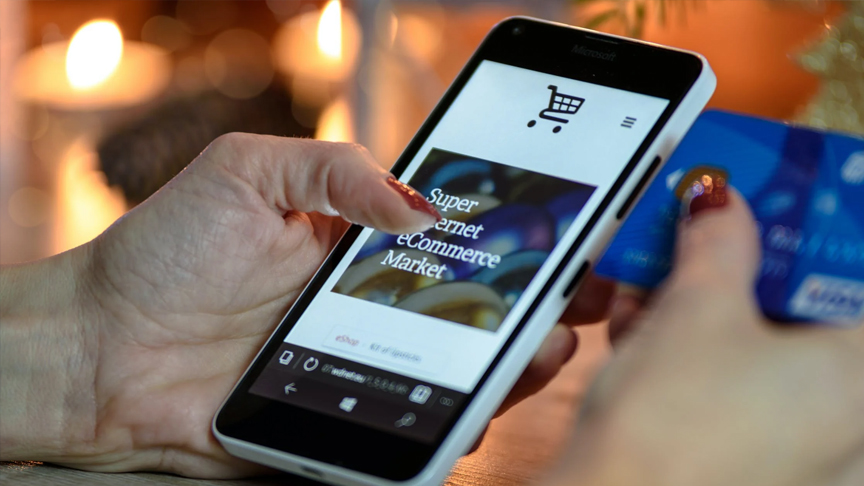
The Covid-19 pandemic has changed the way Filipinos do shopping. The lockdowns have brought about an increase in online shopping transactions. However, this has also brought about an increase in digital fraud.
Based on the Global Consumer Pulse Survey by TransUnion, there has been an increase in digital fraud attempts against businesses and consumers in the country during the pandemic, with 44 percent of Filipino consumers targeted by digital fraud. Recent cases of text phishing scams include pretending to come from legitimate companies, while some messages display the full name and address of users. These have sparked public concern. The Cybercrime Investigation and Coordinating Center (CICC) reported that scammers had stolen millions of dollars from unsuspecting Filipinos victimized by both local and international fraud schemes in the last quarter of 2022.
Russian cybersecurity firm Kaspersky also noted that the country had the most phishing emails that target online payment systems in the Southeast Asian region for the first half of 2022 due to the increased number of electronic commerce platforms for beauty, lifestyle, and technology, among others.
Despite the decreasing number of digital fraud cases in 2022, online scams and phishing will continue to remain prevalent if Filipinos remain less wary about securing their online shopping presence.
With these, here are some warning signs on online transactions and determine if it may just be another scam.
Check if the website’s universal resource locator or URL has no “S” in its “HTTPS” domain. The S in HTTPS indicates that the website is secure. Any sensitive data, such as those handled by online banking services, email providers, retailers, etc., will be transferred safely from the buyer to the website. An HTTPS domain prevents websites from having their information disclosed to anyone.
Be wary of sites or sellers that ask for financial information immediately, such as banking details, card information, or other sensitive financial details, even if you still need to add to your cart.
Return policy should be clear. In compliance with the Consumer Act of the Philippines, consumers have the right to be compensated for receiving defective products or not as advertised. Legitimate websites and online shopping platforms have clear return or refund policy instructions.
Check the reviews. Consider negative reviews and existing complaints on social media.
Seller’s details must be available. The seller must be available in different communication channels through social media, text, or the online shopping app. Legitimate sellers reply to queries and concerns promptly.
While there are measures to protect oneself against online scams, people will still fall prey to these scammers. To safeguard Filipino online shoppers, FPG Insurance pioneered the creation of a tailor-made insurance product for a safer shopping experience.
“We’re really customer-centric – and what’s key for us is to really adapt and make sure that we’re always relevant in the changing times,” Sharon Navarro, Chief Underwriting Officer of FPG Insurance, says in a November interview as she expresses the need to protect Filipinos during this digital era.
Aptly called MyCyberProtect Mate, this insurance product protects online buyers from undelivered goods and losses due to unauthorized transfer of funds (online bank accounts, electronic wallets, or credit and debit cards) through phishing, malware, or electronic fund transfer. The product also covers identity theft, cyberbullying, and other applicable online fraud or scams.
People insured with MyCyberProtect Mate are given round-the-clock service through a dedicated team of cybersecurity experts to help those experiencing problems with their online transactions.
FPG Insurance is the first to offer a cybersecurity insurance product in the Philippines, focused on protecting Filipinos with innovative solutions. The company continuously raises awareness of this product, with upcoming partnerships to reach every Filipino, including those in the provinces.