Connect with us

Hi, what are you looking for?

HEADLINES

Kaspersky statement on malicious video tags on social media

Social engineering is a manipulation technique that uses human psychology that cyber attackers use to trick someone or to lure unsuspecting users to expose data, spread malware infection, or give them network or computer access.

Yeo Siang Tiong
General Manager for Southeast Asia at Kaspersky

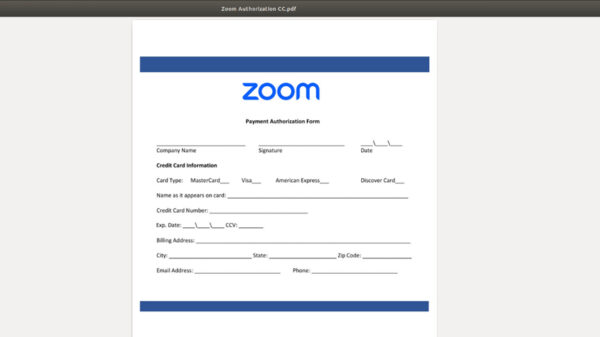
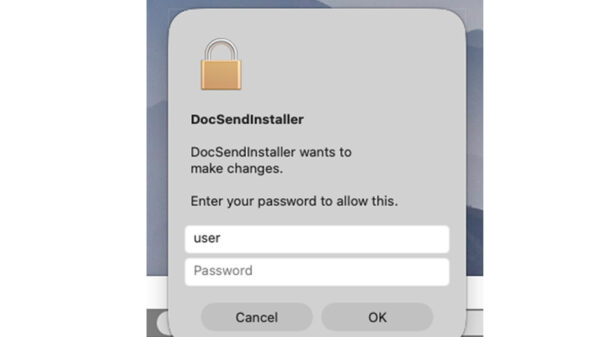
Yesterday, some social media users reported to have been tagged in malicious videos without their permission and by people they do not know. This is not the first time this has happened. But it appears to be an example of social engineering that cyber attackers use to get victims to respond by clicking on an infected attachment.

Social engineering is a manipulation technique that uses human psychology that cyber attackers use to trick someone or to lure unsuspecting users to expose data, spread malware infection, or give them network or computer access.

Scams based on social engineering are built around how people think and act. Attackers may use emotional manipulation to convince you to take an irrational or risky action that you otherwise wouldn’t. Fear, excitement, curiosity, anger, guilt, and sadness are emotions normally used to convince an unaware, clueless person.

On social media, trust is important among users and it is also essential in a social engineering attack. Users are usually tricked by accounts they follow, usually under the names of people they know and trust.

Advertisement. Scroll to continue reading.

As social engineering is an attack against a human being, not machine, we advise internet users to take basic measures to protect themselves. We recommend the following:

1. It’s cliché but the rule of thumb in internet security is always think before clicking.

2. Set a strong password.

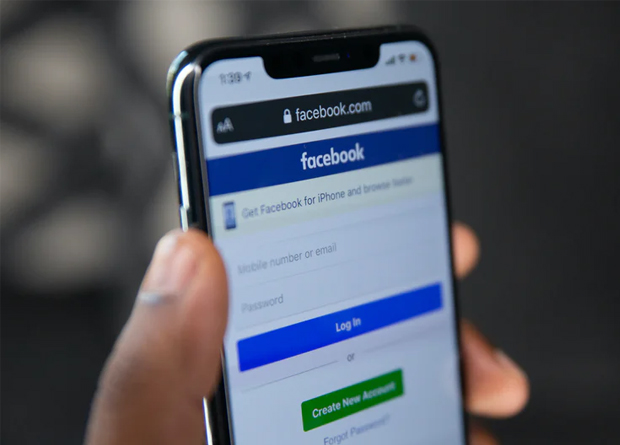
3. On social media, take advantage of the security and privacy features of your favorite platform. You can control who can tag you or who can see your posts. Because Facebook regularly makes changes to their settings, it’s worth your attention and time to check your own saved settings from time to time to update it for maximum privacy.


Advertisement. Scroll to continue reading.
Advertisement
Advertisement
Advertisement

Like Us On Facebook

You May Also Like

HEADLINES

Maya has already integrated National ID eVerify, the Philippine Statistics Authority’s identity-verification service, into its onboarding process. Since early this year, eligible customers have been...

HEADLINES

In 2025 alone, Converge denied nearly 12 billion entry requests to websites hosting dangerous, inappropriate, and harmful content that attempted to pass through its...

HEADLINES

The announcement represents one of the first major third-party technology integrations following the launch of Sophos Fusion, demonstrating Sophos' commitment to an open ecosystem...

HEADLINES

APAC consumers are more concerned about digital tech usage for crime than consumers globally (35% vs 32%). The awareness is highest in Thailand (39%),...

HEADLINES

To help organizations address the challenges they face as a result of the cyber skills gap, the award-winning Fortinet Training Institute provides one of the largest...

HEADLINES

“It is the time for Radenta to demonstrate that it is strongly committed to protecting client data,” remarks Nereo Bolante, Co-Director, Radenta Ethics, Compliance, and Governance Team...

HEADLINES

Attackers are operationalizing artificial intelligence (AI) to collapse attack workflows from weeks to days. The report finds that AI’s most immediate impact on cybercrime...

HEADLINES

In July 2026, researchers from the Kaspersky Global Research and Analysis Team (GReAT) team identified a new campaign, dubbed GoSerpent, representing a sophisticated and...

Advertisement