













































































You’ve probably seen them on your feed: short reels, videos, and serialized stories that can capture your attention in less than a minute. For a generation accustomed to consuming content through their phones, storytelling is no longer confined to books, television, or the big screen. Stories now unfold through scrolling screens, bite-sized videos, digital comics, and interactive platforms.
This shift has given rise to a new generation of digital-first storytellers and in the Philippines, platforms such as Wattpad and Webtoon are giving young Filipino creators new ways to share their work with audiences.
Wattpad helped popularize online, text-based storytelling, while platforms such as Webtoon brought comics into a mobile-first format designed for digital reading. Together with streaming platforms such as Netflix and the growing ecosystem of social media, these platforms reflect a broader change in how audiences discover, consume, and engage with stories.
For aspiring creators, the change is significant. Digital publishing lowers some of the traditional barriers to entry, allowing writers and artists to publish their work online, build audiences, and develop creative careers around stories they create themselves.
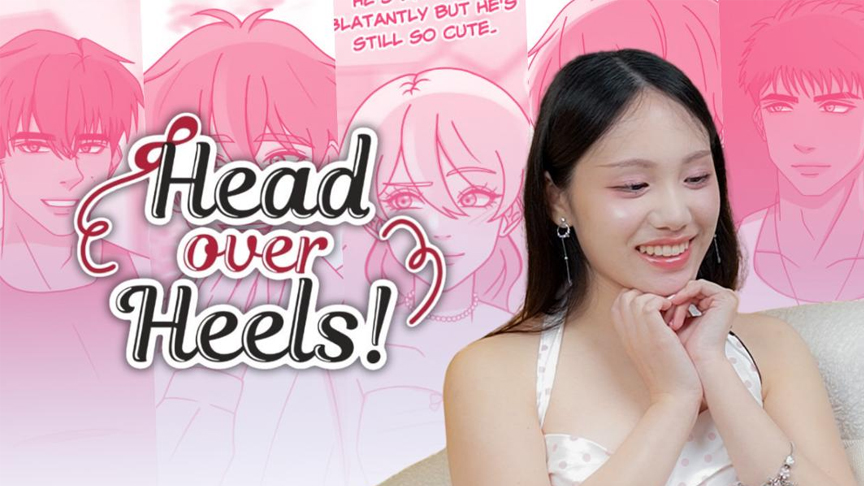
One young Filipino creator finding her place in this evolving landscape is Veya Sebastian, known as FriedStrawberry on Webtoon.
Sebastian began drawing at a very young age and developed an interest in Webtoons when she was around 12. Today, at 21, she is building her identity as both a writer and illustrator, creating her own stories and bringing them to life visually through her Webtoon series, Head Over Heels.
What makes Sebastian’s journey particularly reflective of the current digital storytelling landscape is that she does not simply illustrate someone else’s story. She develops the story, writes the characters, and creates the artwork herself.
From reader to creator
For many young people, digital platforms are more than places to consume entertainment. They can also serve as entry points into becoming creators themselves.
Sebastian’s journey illustrates this transition. Her early exposure to drawing eventually developed into an interest in storytelling, while her discovery of Webtoons opened up a medium where her two interests could exist together.
Her influences include Sailor Moon and the works of Ai Yazawa, particularly Nana and Paradise Kiss. These influences reflect an interest in expressive visuals and character-driven storytelling, elements that are central to the Webtoon format.
The accessibility of digital publishing also means creators can experiment, find their audience, and develop their craft without necessarily waiting for traditional publishing opportunities.
For a young creator like Sebastian, Webtoon becomes not only a platform for publishing but also a space to establish an identity and community around her work.
Why Webtoons fit the digital generation
The serialized nature of Webtoons allows readers to develop an ongoing relationship with characters and stories. Readers can return for updates, discuss episodes, share theories, and interact with other fans online. In this environment, the audience is not simply consuming a finished product—they are following a story as it develops.
For creators, this creates an opportunity to build a dedicated readership around an original story.
Sebastian currently produces Head Over Heels at a pace of around three episodes per month. Her workflow encompasses nearly every stage of production: writing summaries and scripts, storyboarding, line art, coloring, backgrounds, special effects, and speech bubbles.
It is a demanding process, particularly because she handles both the writing and illustration herself.
Interestingly, Sebastian considers writing more challenging than drawing. While illustration is something she naturally enjoys, writing requires her to carefully track character actions, motivations, and plot points to ensure that the story remains consistent.
That combination of storytelling and visual artistry is precisely what makes independent Webtoon creators distinctive: they are building entire fictional worlds from the ground up.
The rise of digital storytelling also challenges the traditional idea of what an artist’s career can look like.
Her story is part of a larger shift in which young Filipino creators can use digital platforms to showcase their work directly to audiences. Instead of waiting for their stories to be discovered through traditional channels, creators can begin by putting their work online and gradually building a readership.
That accessibility does not eliminate the challenges of becoming a professional creator. Producing serialized content requires consistency, discipline, storytelling skills, technical ability, and the ability to manage the demands of creating content regularly.
But the digital landscape gives emerging creators something that previous generations had far less access to: a direct path between their work and their audience.
Sebastian’s journey from a young artist who discovered Webtoons at 12, to a 21-year-old creator publishing her own series demonstrates one of the defining possibilities of digital entertainment: the audience can become the storyteller.
From the page to the phone screen, the Filipino storytelling tradition is finding new ways to be seen, shared, and experienced.