








































































Connect with us

Hi, what are you looking for?

HEADLINES

Smart warns against fake ‘donation’ scam

Smart has received reports about unscrupulous individuals pretending to be company executives or representatives of organizations asking for donations for made-up or nonexistent relief operations. The scammers would then send payment QR codes where potential victims are supposed to send their ‘donations’ to.

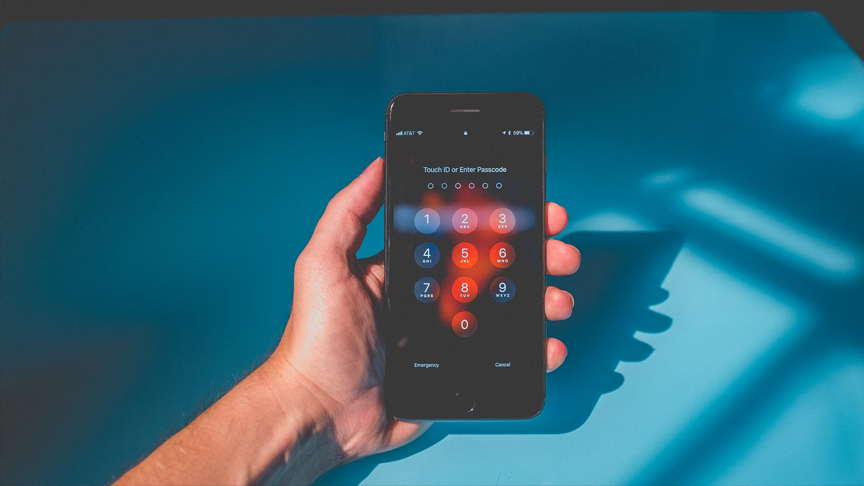
Photo by NeONBRAND from Unsplash.com

PLDT wireless unit Smart Communications, Inc. (Smart) warns customers about solicitations being sent through online messaging platforms and over-the-top (OTT) apps. Smart has received reports about unscrupulous individuals pretending to be company executives or representatives of organizations asking for donations for made-up or nonexistent relief operations. The scammers would then send payment QR codes where potential victims are supposed to send their ‘donations’ to.
 
Smart has been actively blocking from its network mobile numbers found to be scammers, to further protect customers. It is also working closely with digital payment platforms and concerned government agencies to investigate reported incidents and aid authorities in the prosecution of personalities behind this scheme.
 
Smart urges customers to #BeCyberSmart and double-check the authenticity of senders, whenever requests of this nature are received. It may be best to verify such requests with the person by calling him or her through the mobile number saved in your devices. When possible, initiate a video call with your contact for confirmation. You can also check the official online pages of the organization to confirm such activities.
 
If you have received similar messages, report them to Smart’s HULISCAM portal – https://smart.com.ph/huliscam. Take note of the sender’s mobile number, date message was received, and the actual message.
 
Customers may also report cyber threats and fraudulent activities to Smart’s verified and official social media pages – Smart Communications on Facebook and @SmartCares on X — or call hotline *888.


Advertisement
Advertisement
Advertisement

Like Us On Facebook

You May Also Like

HEADLINES

Techniques include malicious email, phishing, compromised credentials and brute force attacks. The 85% rate exceeded the cross-sector average of 79%, underscoring the role identity...

HEADLINES

Sophos Counter Threat Unit (CTU) researchers observed an Exploit forum persona named Optimus_Prime advertising Luciferus on August 24, 2026.

HEADLINES

People need to know what kinds of concerns can be raised, where to bring them and what steps to take when something does not...

HEADLINES

Consider deploying a dedicated security solution that safeguards corporate emails from spam, email-borne infections, and all forms of phishing – such as Kaspersky Security...

HEADLINES

The attack begins with a malicious file ending up on a user’s device – this may be a result of the user downloading the...

ELECTRONICS

While most brands compete on how many passwords a lock can store or how much force a safe can survive, Philips built its ecosystem...

HEADLINES

The recognitions, provided by Frost & Sullivan, highlight Kaspersky’s ability to align its cybersecurity strategy with the evolving needs of industrial organizations while executing through...

HEADLINES

EastWest has introduced EasyLock, a self-service security feature available through the EasyWay and EasyBiz apps, where customers can secure a chosen portion of their balance,...

Advertisement























