




















































































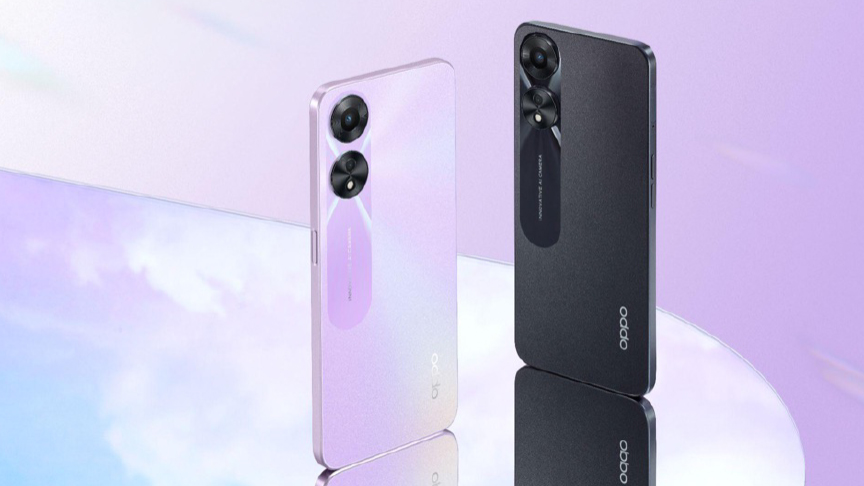
When you get a new phone, it’s automatic to look for a protective case to keep it unbreakable despite potential falls. But how about installing a security beyond antivirus to protect all the data you will store in it?
Kaspersky shares three important reasons why mobile devices also require software protection.
Your money is, probably, on your mobile phone
Southeast Asia was named the fastest-growing mobile wallet market after the pandemic triggered a boom in the local adoption of online banking and e-wallet usage.
Payments via mobile devices continue its steady growth with 86 live mobile money services in SEA as of last year, and more unicorns are predicted to rise and piggybank on the trend.
Kaspersky’s own research on Digital Payments revealed that Android smartphones are the most used device for online financial transactions in the region.
On a per country view, the majority use Android-powered phones. More than four in five (82%) of the digital payment adopters in Indonesia and in the Philippines use their Android devices for mobile transactions, while it’s 76% in Malaysia, 73% in Thailand, 67% in Vietnam, and 54% in Singapore.
In 2022, Kaspersky blocked a total of 1,083 mobile banking Trojans which almost infected its users in SEA as well as 207,506 mobile malware incidents.

“Compared to threats like phishing and ransomware, mobile banking Trojan detections are still relatively low in volume, mostly because the basic hygiene of putting security solutions on mobile devices is still a work in progress in Southeast Asia. Our money, bank accounts, mobile e-wallets, and even our investments are literally in our smartphones now – may it be an Android or an iOS device. It’s time to protect them with a robust security solution against financially motivated cybercriminals,” says Adrian Hia, Managing Director for Asia Pacific at Kaspersky.
You access your workmail with your smartphone
Mobile devices are a known business risk.
Beyond mobile banking, mobile phones have been known to be used for accessing company mail and assets.
The danger with BYOD (Bring Your Own Device) lies in the fact that 96% of smartphones that can connect and access corporate networks are non-work issued, meaning, they are intended for personal use.
Kaspersky’s researchers, through the years, have seen cases of Advanced Persistent Threats (APTs) that enter a company’s systems through an infected mobile device.
Mobile malware APTs like Pegasus and Chrysor are spywares deployed through Android or iOS exploits installed on victims’ smartphones. Kaspersky, in 2022, has also detected 10,543 mobile ransomware Trojan installers globally.
“The lack of security solutions on personal mobile devices can impact a company’s overall IT security posture. We acknowledge the convenience of BYOD, but enterprises should also play their part in encouraging their employees to install protection on their smartphones that have the freedom to connect on critical enterprise networks,” reminds Hia.
Your mobile device carry all your social apps
A survey revealed one in four internet users in Asia Pacific (APAC) has fallen victim to identity fraud. But the most interesting part is that users could not care less. Many remain unconcerned about securing their identity against thefts and online fraud.
Most fraud happens on social media, mostly accessed through mobile devices.
Another study done by Kaspersky also showed nearly one in four (38%) of social media users say they know someone personally who has experienced a data compromise while using social media. For those aged 18-34, this figure rises to more than half (52%). Seven percent of users worldwide say they have been victims of fraud via social media.
Kaspersky’s phishing report for 2022 also revealed that the global cybersecurity company’s mobile solution blocked 360,185 attempts to click on phishing links from messengers last year. Of these, 82.71% came from WhatsApp, 14.12% from Telegram and another 3.17% from Viber.
“Our mobile devices are treasure troves of the social media and messaging apps that we use. In each of them, we have conversations, photos, and private information that we want to keep away from the wrong hands. The other side of the coin is that cybercriminals are also lurking on these platforms, waiting for prey to fall into their traps. A safety net is necessary if we want to enjoy the powers of our mobile phones and to secure our digital reputation and identity,” adds Hia.



























