By Yeo Siang Tiong
General manager for Southeast Asia, Kaspersky
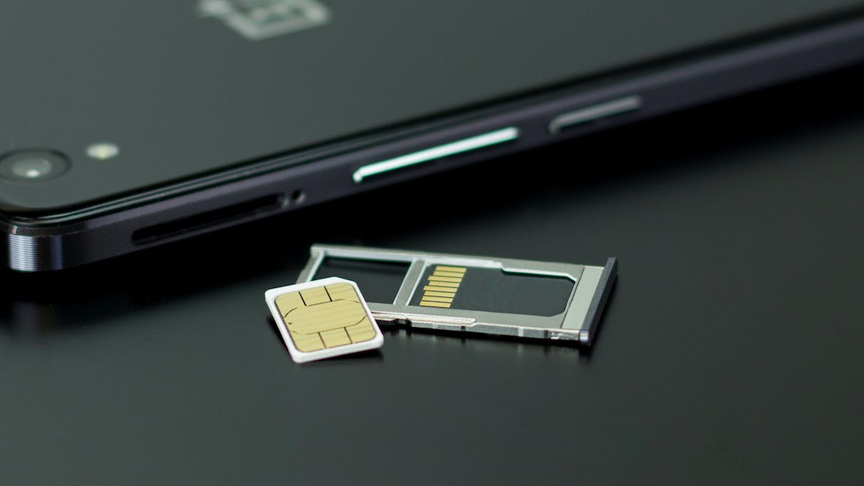
The NTC just announced that the registration of new and existing SIM cards will start on December 27.
According to the IRR of the SIM Registration Law, mobile users in the country are required to input their personal information such as full name, birthday, sex, recent or official address, and identification card and ID number during the registration process.
Once this data ends up in untrustworthy hands, fraudsters might launch various types of phishing attacks from spam calls to voice phishing. Kaspersky describes phishing as a form of cybercrime that involves stealing of confidential data from a person’s device and using the same data to steal their money.
Privacy risks are another major concern. For a cybercriminal, having a potential victim’s phone number significantly increases the opportunity of a successful attack, since most online services require entering a phone number along with other personal data. Doxing, cyberbullying, blackmailing and extortion are among the potential cyberthreats victims might face.
Kaspersky is reminding Filipinos to be vigilant in securing their data against possible phishing attacks.
To stay safe against fraudsters, we advise those who will register their SIM cards to:
- Visit and use links of official websites/platforms only. Mobile operators in the country have announced that they will launch their online SIM registration platforms. Make sure that you visit the official websites of these companies to register on their official platform.
- Check each link and email carefully. When you receive an email, don’t rush to reply or follow its instructions. The first thing you should do is look for telltale signs of phishing such as mistakes, typos, and strange characters in the text as well as inconsistent sender address.
Check the links in the email if it contains them or the website they lead to. You can check a link by hovering your cursor over it and reading the address carefully. Cybercriminals bet on victims who do not pay enough attention to detect slight changes made to the names of well-known companies or brands like sumsung.com or qoogle.com.
- Use reliable security protection on your device. It’s hard to be on the constant lookout for red flags and to check every single address, link, and so on. But it’s a task you can automate, and you can rely on security solutions to protect you against phishing.