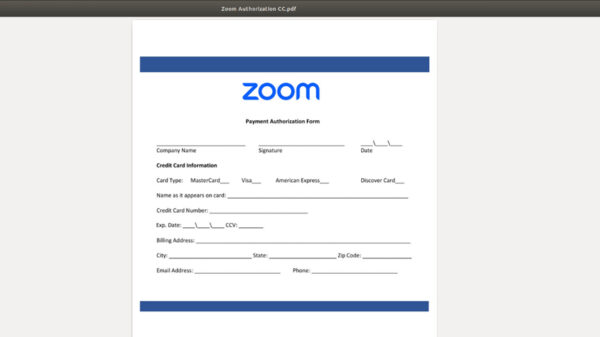
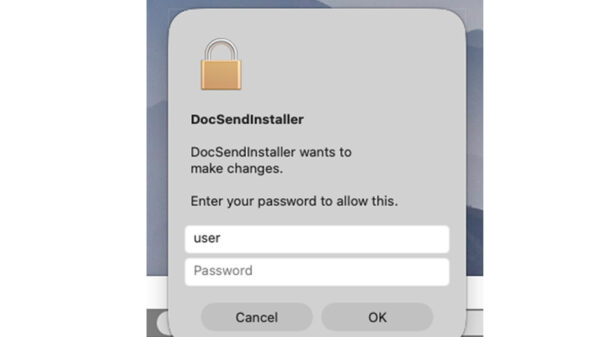
If money is what motivates cybercriminals to trick, swindle and steal, then why are they targeting job-seekers who are supposedly income-less and are themselves in need of money?
Job scams have been around for a long time. But it’s getting extra attention lately as Filipinos report receiving way more job invitations through text messages than ever before. These unsolicited job offers promise unbelievably generous earnings in exchange for seemingly easy work that is too tempting to not even try.

Smishing examples
Official statistics reveal that as of March 2022, there are 2.87 million unemployed Filipinos and 7.42 million underemployed or those who have jobs but are still looking for other sources of income. According to a job report, about 49% of Filipinos are now keen to work remotely due to pandemic concerns such as health and safety. For scammers, this is a goldmine they just wouldn’t miss taking advantage of.
Personal information such as name, birthday, phone number, email address are already valuable — it can actually cost up to $10 on the dark web, according to Kaspersky data.
Once in the hands of fake job recruiters a.k.a. cybercriminals, these data can then be sold or traded to other cybercriminals or companies. Scammers will also use these data to commit other cybercrimes such as identity theft or to infect your device with malicious software (malware) to steal more data stored in it.
Cybercriminals also play on a job seeker’s desperation to make money immediately. In the Philippines, most job scams include having the victim send money to the fake recruiter to pay for “registration fees” or to get “commissions” or “bonuses” with higher returns as long as the victim tops up.
“By now, people are already aware of the standard red flags of fake job offers sent via email such as the sender’s address, layout, etc. More or less we know how to recognize and avoid it so scammers have changed their delivery mode to text/SMS,” said Yeo Siang Tiong, general manager for Southeast Asia at Kaspersky.
“There is also a lowered expectation of danger in text messages so it’s less scrutinized by the receiver, which means the scam is likely to succeed. When an unsuspecting person gets a message like a job offer with an irresistible pay, she is likely to disregard her mental checklist of warning signs and just click through,” he added.
Yeo also advises companies to take necessary measures to protect their brand and reputation from scammers who exploit their corporate identity and information for fake job offers. Possible reputational losses can be avoided by having the company website, which lists contact details (such as for HR), audited for vulnerabilities.
Kaspersky offers the following tips to job-hunters to help you avoid falling victim to this kind of scam:
- Limit job searches to official sources.
- Do not respond nor click on links if they come from people or organizations you don’t know. Replying simply confirms to the sender that your phone number is active.
- Install a trusted security solution with fraud and phishing protection and follow its recommendations. This will solve most of the problems automatically and alert you if necessary. Remember, personal vigilance is not enough when dealing with sophisticated scam methods used by cybercriminals.
- Use multi-factor authentication (MFA). A common variant is a two-factor authentication (2FA) which often uses a text message verification code while a stronger variant includes using a dedicated app for verification (like Google Authenticator).
- Check the company’s official website for open vacancies matching your job skills.
- Check contact information on companies’ official websites. If needed, send an email to the company to verify if the person who contacted you actually works there.
- Be wary of offers to discuss a job or hold an interview in secret chats where messages are encrypted, cannot be forwarded and which alerts the participants if anyone takes a screenshot.
- Make an additional phone call to the company to ensure that the job offer is legitimate.
- Review your job offer for possible mistakes: carefully check the company name or job title and responsibilities.
- Report all SMS phishing attempts to designated authorities.
What to do if you become a victim? Limit the damage with these important steps:
1. Report to any institutions that could assist.
2. Change all passwords and account PINs where possible.
3. Monitor finances, credit and other online accounts for strange login locations and other activities.