From January to December 2021, Kaspersky products used in the Philippines detected and foiled more than 50 million web threat attempts, according to statistics from the Kaspersky Security Network (KSN).
This latest KSN report has moved the Philippines two places up in Kaspersky’s global ranking of countries most attacked by web threats.

In a nutshell, this means Filipinos who have been mostly stuck at home surfing, working, banking, or studying via the web during the entire second year of the pandemic have had a heightened exposure to further dangers of the internet.
KSN is the cloud-based threat intelligence service of cybersecurity company Kaspersky.
From 2017 to 2021, in the malware-detection history of KSN, the cyberthreats detected in the Philippines have gone up sharply by 433%.
The monitored cyberthreat attempts logged on devices of Kaspersky users in 2017 were 9,487,775 compared to 50,544,988 in 2021.

“Because of the internet, carrying on with work and school during the pandemic has been significantly possible. The internet has also provided people a temporary escape from real life during lockdowns. This is true not just for Filipinos but for everyone around the world,” says Yeo Siang Tiong, General Manager for Southeast Asia at Kaspersky.
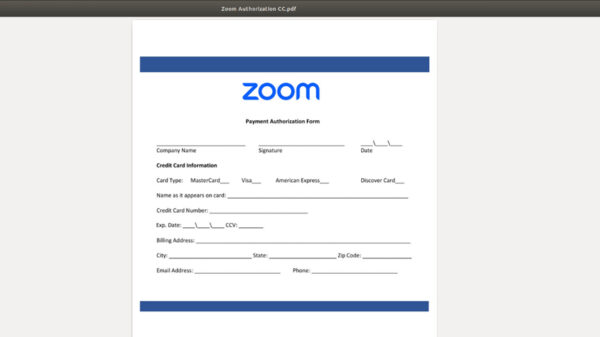
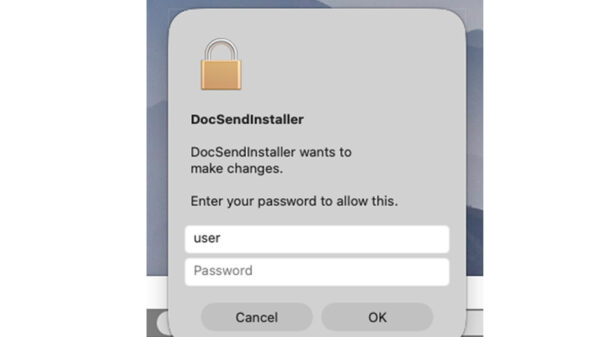
Web threats are attacks via browsers. Cybercriminals normally use drive-by downloads and social engineering to try to spread malware to devices of internet users.
A drive-by download infection, which is used in most of the attacks, happens when visiting an infected website.
In such attacks, cybercriminals use file-less malware, the most dangerous way of infecting a device because it’s such a complicated malware that is difficult to detect and counter.
On the other hand, social engineering are attacks where an internet user downloads a malicious file into the computer. This happens when cybercriminals trick the victim to believe she is downloading a
legitimate program.
“Throughout this period until now that we are recovering and adapting to the new normal though, we have been seeing nonstop activities from cybercriminals who have been honing their skills. Unfortunately, this means people will be more vulnerable to cyber-intrusion. We cannot stop using the internet so we really encourage Filipinos to be extra cautious and really get into the habit of practicing cyber-hygiene. These basic habits remain the same and include regularly scanning devices for viruses, changing passwords, keeping apps, software and operating systems up to date, and wiping your hard drive,” he advises.
Information on such suspicious and malicious files that attempt to penetrate internet-connected computers with Kaspersky products are sent with permission by device users to KSN. This complex cloud infrastructure collects and analyzes cybersecurity-related data from millions of voluntary users of Kaspersky products around the world.
The threat-related data shared from computers of Philippine-based participants along with data from other Asia Pacific countries are processed in Kaspersky’s two data centers in Zurich, Switzerland.