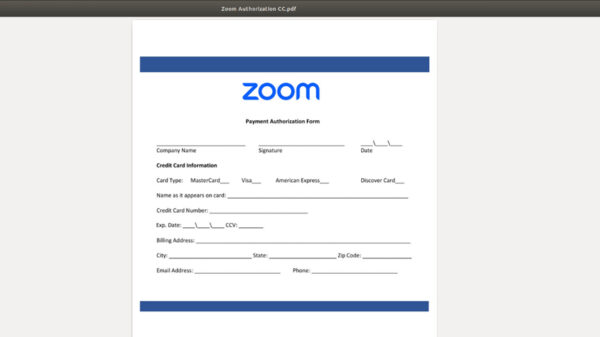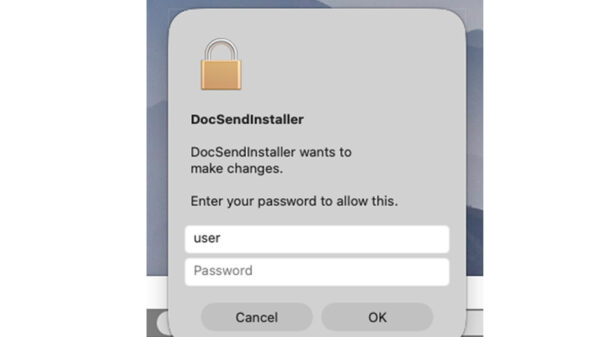
The adoption of digital payment is increasingly accepted in the Philippines but like other businesses, it is also not safe to cybercriminals as it is a potential target of security risks. While e-payment is deemed beneficial to consumers, it also presents security issues that need to be addressed.
E-payment in the Philippines is growing fast. According to a Kaspersky study conducted to 1,600 respondents across APAC, including 167 respondents from the Philippines in July 2021, 73% of Filipino respondents use digital payments to remit money for family, friends, to pay utilities bills, and shop online. Apart from this, 75% of Filipinos who joined the survey are using Android smartphone in transactions involving digital payments. A lot of finances are going through digital means, where one in five transactions is being done online.
Although the e-payment industry is experiencing growth, it is not spared from security incidents or threats in its operations.
Yeo Siang Tiong, Kaspersky’s general manager for Southeast Asia, disclosed the top six threats that continue to plague the industry. These threats include scams via text or calls using social engineering stuff where 42% of user-respondents experienced while 27% fell victim of phishing scams. There were also customers who received fake offers, fake websites, and fraudulent apps and bank account, and credit fraud.
When being hit by digital payment scams or fraud, 65% of Filipino respondents normally changed passwords of banking or mobile wallet apps. Some of them informed their friends and families about the online scam and fraud, and call the bank to report what happened. In the same survey, 54% of respondents appear to be somewhat confident that electronic banking and e-wallet platforms are very secure that they use these services at least several times a week. While most of the respondents were aware of the threats that hound digital payments, 48% believe that antivirus software on the device is required.
“Be aware is one thing, being digital is another. You should know how to take actions when you’re hit. It is important that before you get hit, protection of finances and family is needed,” Yeo said, adding that, “the detection of a scam or fraud early on in the transaction means less headache for you and your family and your hard-earned money,”
Even before an unfortunate incidence takes place, it is important to have an anti-virus software on the device. Among solutions available in the market is the Kaspersky Total Security (KTS) which is bundled with a virtual private network (VPN) so online actions are not logged and hackers are prevented from reading emails, photos and bank details. It is equipped with a Password Manager that generates strong passwords and tracks multiple passwords which are all secured in a private vault, away from the prying eyes of cybercriminals.
The solution’s Safe Money feature is beneficial as it protects one’s money, identity and privacy.
With a KTS in a device, payments are made via an encrypted browser so financial data is not intercepted by hackers while you shop and bank online. It also comes with an extra security feature for locking Android apps and locating Android mobile devices.
Unauthorized access is prevented and hijacking of Android device and suspicious activities are blocked instantly using the solution’s Anti-Hacking feature. KTS has a Malicious Link Detector which analyzes links on web pages you open and alerts you of malicious web address based on their threat level, and an advanced Anti-Malware feature that neutralizes threats including spyware, adware, keyloggers, spear phishing and hard-to-detect fileless attacks.
The KTS, which is compatible with PC and Mac computers as well as iOS and Android devices, retails for PhP1,390 for a one-year license for one device. It is currently available in all leading IT stores nationwide including Lazada and Shopee.
Vaccinated customers can also enjoy GCash or PayMaya credits for every purchase of KTS. All they need to do is to present their vaccination card to participating stores.
Promo runs from February 15 to March 15, 2022.