With the Back-to-School season in full swing, families all over the world are preparing their children for the school year with the proper gear and tools to set them up for success.
In line with this exciting time, WorldRemit conducted a multi-country study to determine the true cost of education in 10 countries, mining data to compare average costs of core educational equipment, including school wear, stationery, P.E. equipment, and other miscellaneous fees.
The study reveals that the average cost to send one child back to school in the Philippines is USD 78 (PHP 3,876.60). When compared alongside the country’s average fertility rate of 2.89 children per household, the total cost of sending a typical household of children back to school reaches an average of USD 226 (PHP 11,232.20).
With an average annual household income in the Philippines of USD 3,472 (PHP 172,558.40), which translates to a monthly income of about USD 289.33 (PHP 14,389.83), the study found that the average Filipino family spends upwards of 78 percent of their total monthly income on basic supplies during the back-to-school season.
Of the 10 countries in the study, Nigerians are most impacted by the disparity between average household income, fertility rate, and cost of education. The current fertility rate in Nigeria is 4.67 children per household. That means an average household can anticipate basic seasonal costs to meet or exceed NGN241,789.25 or USD580.29, which is more than a full month’s income for 45 percent of all Nigerians.
How then do countries like the Philippines and Nigeria bridge the gap between income and cost of education? The answer is international remittances.
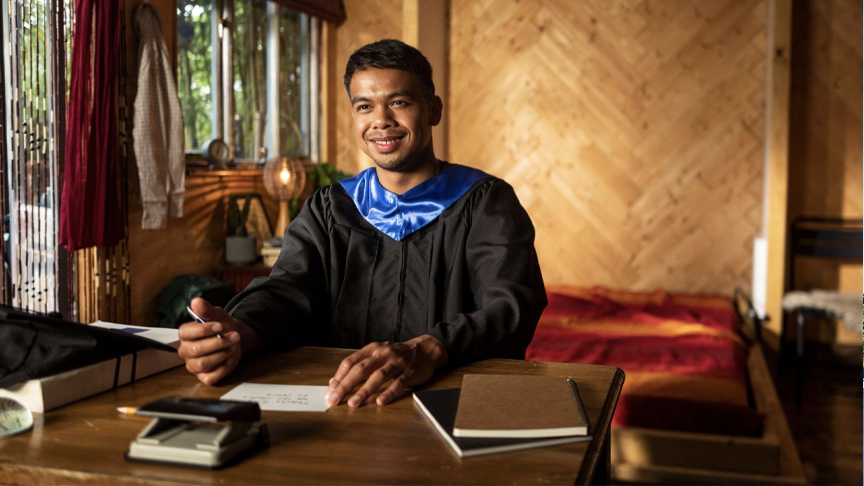
According to a recent Consumer Expectations Survey (CES) education is one of the primary reasons immigrants and overseas foreign workers (OFWs) send money back to their home country. Because of the high cost of education in many regions and the opportunities an education provides to a young person, it is vital for senders to be able to support those dearest to them with the gift of an education.
More than 244 million people are classified as immigrants around the world and account for large percentages of populations in countries such as the United States (14.4 percent of total population), UK (14 percent) Australia (30 percent) and Canada (21.9 percent).
In these countries, where average household incomes are amongst the highest in the world, immigrants and overseas foreign workers are often working to support themselves whilst also supporting their families and communities back home. And for the nearly 250 million people who live in different countries than their families, education is one of the primary reasons to send money back to their home country.