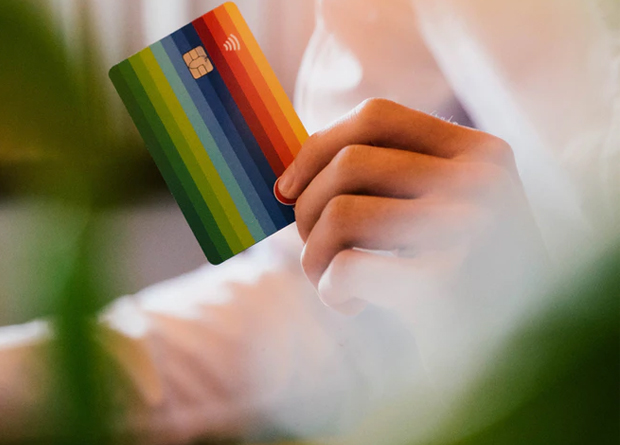
COVID-19 is expected to have a profound effect on the payment cards market. Contactless is considered the more hygienic and safe way of making proximity payments, and this is being reinforced by ecosystem players who are shifting marketing messages from contactless transactions used to increase convenience levels toward safety and health.
Globally, contactless adoption will increase between +6% to +8% when compared to pre-COVID-19 expectations, with the issuance levels forecast to grow by 14% YoY, accounting for more than 65% of all cards issued in 2020, according to new research by global tech market advisory firm, ABI Research.
“Although the overarching trend toward contactless was well in place prior, COVID-19 will further increase the speed of contactless adoption, particularly within countries and economies where cash remains king, and usage not only being encouraged by payment ecosystem players and suppliers but also by governments and health organizations including the WHO,” explains Phil Sealy, Research Director at ABI Research.
“The way people pay for things is rapidly evolving and changing. COVID-19 has driven a significant shift in consumer spending habits spurred by economic uncertainly and a push toward the purchase of mainly essential items. There is also a surge in e-commerce whereby consumers are becoming even more heavily reliant on online retail channels to avoid crowded places to limit social interactions,” Sealy points out.
However, with a significant strain placed on e-commerce, physical brick and mortar retail still has a major role to play and is essential in many instances. In most countries, retailers considered essential (e.g., supermarkets) remain open. They have put in place measures to help combat the spread of COVID-19 to shoppers and customers, including the enforcement of 2-meter distancing and placing protective screens at checkouts. They are also encouraging digital payments over cash and, where possible, completely contactless transactions.
Major payment networks, including Visa and Mastercard, are looking to aid in the pandemic by increasing contactless card spending limits. Many national and local authorities and governments, as well as merchants, are encouraging digital payments over cash, using the digital transaction method to limit contact with items and objects that are communal and used by multiple people—in this instance, point-of-sale terminals.
“COVID-19 is not only bringing contactless to the forefront of the digital payment experience, but also other next-generation payment card form factors. As consumers increasingly use and become more reliant on contactless, the question of how best to secure and limit fraud on increasing contactless transaction volumes and values will come into play,” Sealy says.
Biometric payment cards are well positioned as a solution that offers a contactless payment card experience without limits. The use of multi-factor contactless transaction authentication will become a key theme post-COVID-19, extending security previously reserved for high computer-powered devices such as smartphones and mirroring the experience and security features onto the passive payment card form-factor.
“The message is clear that contactless payments have a critical role to play in the fight against COVID-19, from a hygiene, health, and safety perspective,” Sealy concludes.
These findings are from ABI Research’s Assessing the Impact of COVID-19 on the Smart Card and Secure ICs Market application analysis report. This report is part of the company’s Digital Security research service, which includes research, data, and ABI Insights. Based on extensive primary interviews, Application Analysis reports present in-depth analysis on key market trends and factors for a specific technology.