




















































































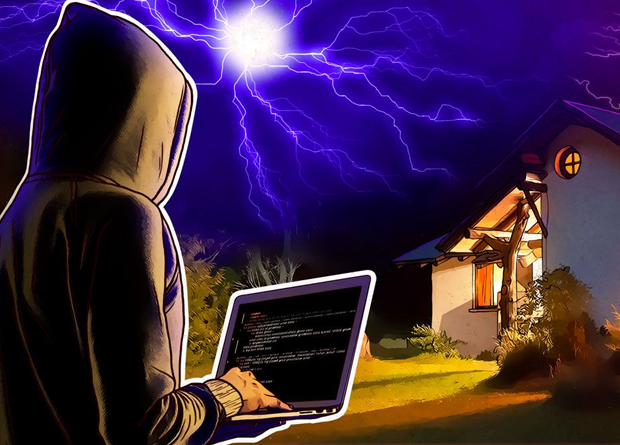
Kaspersky researchers investigating the control device for an active smart home ecosystem have identified several critical vulnerabilities. These include bugs in the cloud infrastructure and potential remote code execution that would allow a third party to get ‘super user’ access to the controller and manipulate the smart home infrastructure any way they chose. The findings were shared with the vendor, Fibaro, which immediately addressed them.
Years have passed since the security of the Internet of Things (IoT) was first researched, and as the IoT landscape continues to expand and evolve, the importance of such research remains: with new products and solutions, new threat dimensions emerge, jeopardizing users’ safety.
One Kaspersky employee challenged the company’s researchers to examine the smart system deployed in his house. He granted the researchers access to the controller for his smart home. The controller was chosen because it connects and supervises overall operations throughout the smart home, and a successful compromise would allow a cyberattacker to intrude into the entire home ecosystem for anything from espionage and theft to physical sabotage.
The initial, intelligence-gathering stage of research led the experts to several potential attack vectors: via the Z-Wave wireless communications protocol widely used for home automation; via the web interface of the administration panel; and via the cloud infrastructure. The latter turned out to be the most effective for attack: an examination of the methods used to process requests from the device revealed vulnerability in the authorization process and the potential for remote code execution.
Combined, they would allow a third party to get access to all backups that have been uploaded to the cloud from all Fibaro home centers, and to upload infected backups to the cloud and then download them to a particular controller – despite having no rights in the system.
To complete the experiment, Kaspersky experts implemented a test attack on the controller. For this, they prepared a specific backup with a separately developed script, protected with a password. They then sent an email and SMS to the device’s owner via the cloud, urging him to update the controller’s firmware. As requested, the ‘victim’ agreed and downloaded the infected backup. This enabled the researchers to obtain super user rights to the smart home controller, allowing them to manipulate the connected ecosystem. To demonstrate their successful intrusion into the system, the researchers changed the tune on the alarm clock – the next day, the Kaspersky employee woke up to some loud drum & bass music.
“Unlike us, a real attacker with access to the home center would be unlikely to limit themselves to a prank with an alarm clock. One of the main tasks of the device we studied is the integration of all “smart things” so that the owner of the house can manage them from a single home center. An important detail is that our assessment targeted an actively deployed system – previously, most of the research was conducted in lab conditions. The research has shown that despite a growing awareness of IoT security, there are still issues to be addressed,” said Pavel Cheremushkin, security researcher at Kaspersky ICS CERT.
To keep devices safe, we advise users:
- When deciding what part of your life you’re going to make a little bit smarter, consider the security risks.
- Before buying an IoT device, search the internet for news of any vulnerability.
- Along with the standard bugs you get in new products, recently launched devices may have security issues that haven’t yet been discovered by security researchers. With that in mind, the best choice is to buy products that have already experienced several software updates rather than the most recent products released on the market.
- Make sure all your devices are up to date with all the latest security and firmware updates.
- Start using Kaspersky Security Cloud that protects user online account and home Wi-Fi networks, ensuring the private network stays private: it will notify the user in case of unwelcome guests trying to connect to it, protecting home IoT devices, being automatically alerted on security threats with expert advice when taking action is necessary.




























