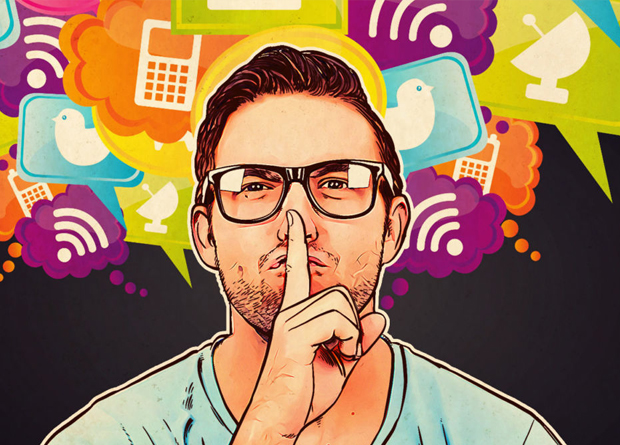
Kaspersky’s recent report ‘The true value of digital privacy: are consumers selling themselves short?’ has revealed that four-in-ten (38%) consumers would give up their social media accounts to guarantee their data remains private for the rest of their life. Fears surrounding protecting digital privacy have made consumers more anxious about the use and distribution of their personal information on the internet. The report outlines how and why consumers’ personal information is becoming incredibly valuable to them.
Social media services, like Facebook, Instagram or Twitter, have become a significant part of our lives and according to Kaspersky’s report, 82% of people now use them. In exchange for some data about their users, social media platforms provide people with opportunities to express themselves, communicate with their friends and families, as well as discover news, ideas and trends without even leaving their home.
However, despite these various benefits, some would still opt out of social media if it helped to restore their digital privacy forever.
The one-in-ten (12%) who give away their personal information to register for fun quizzes, such as what celebrity they look like or what their favorite meal is, would not be able to do so anymore. It may be even more problematic, though, for the 58% who would no longer be able to use their social login details to quickly and conveniently authorize themselves on different websites or services.
Perhaps even more surprisingly, at a time when the number of mobile phone users is rising 2% year-on-year, one-in-five (19%) would be ready to wave goodbye to their handsets altogether to guarantee their data remains private for the rest of their life.
Social media today is at a stage where the quality of the user experience heavily relies on a large amount of personal information. Whether that be financial, location, shopping patterns, eating preferences or relationship status. It is, therefore, perhaps no wonder that a nostalgic feeling of seemingly forever-lost data privacy can come to the fore.
Unfortunately, even sacrificing your entire social media presence wouldn’t be sufficient to protect digital privacy. It’s a process, not a one-time deal that can be bargained for.
“Several years ago, people shared their private information with social media services in exchange for various benefits, without even thinking about the potential threats and their consequences. With a rising number of data leaks around the world, we are seeing a new trend amongst consumers. Many prefer not to have certain facts about themselves revealed in public and are paying more attention to the information they share with online services. However, the majority still don’t know how to protect their digital privacy and would give up social media to guarantee their information remains secure,” comments Marina Titova, Head of Consumer Product Marketing at Kaspersky.
“Keeping personal information safe – by regularly updating social media account passwords and using security solutions – will give consumers more confidence in the security of their data online,” she adds.
In order to keep your digital privacy safe, Kaspersky recommends following some simple steps:
- Try to regularly check your media privacy settings and choose strong passwords for your media accounts
- Don’t open or store unfamiliar files, as they could be malicious
- Don’t be fooled by suspicious people promising valuables in exchange for your personal data and don’t share too many details about yourself
- Don’t use the same password for more than one website or service
- Start using reliable security solutions including utilities that minimize the risks of privacy violation such as Kaspersky Security Cloud, Kaspersky Secure Connection and Kaspersky Password Manager