



































































The fast and easy movement of information across the globe is among the key benefits of the development of the internet. However, in the past years, this advancement is clouded by the exposés made by Edward Snowden and WikiLeaks. These two major controversies told the world that the data exchanges over the internet aren’t safe and that some people are watching.
The existence of 14 Eyes countries has been made known to the world. This alliance is composed of the United States, The United Kingdom, New Zealand, Canada, Australia, Norway, the Netherlands, France, Denmark, Italy, Germany, Belgium, Sweden, and Spain. The cooperation is extended among their selected agencies. These countries collect users’ data and share them among each other. Companies that hold big chunks of users’ information in these countries are compelled to release the data they have when needed under short notice.
People who are living in these countries are clamoring for internet data privacy and security. If the move to invade comes from the government and government-sanctioned agencies themselves, how could the citizens of these countries protect themselves then?

These are some measures that other countries take to transfer information on the web safely:
1. Combat Technology Breach Through A Technology Safeguard
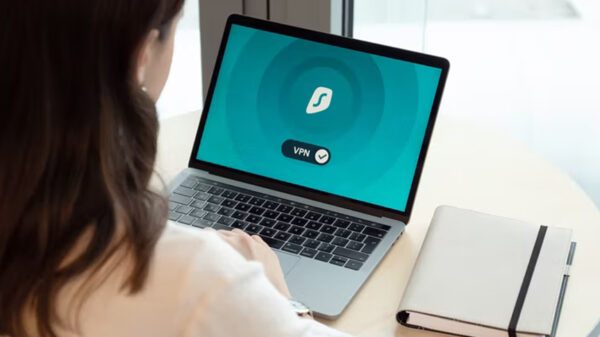
You may have heard of the idea of a VPN or Virtual Private Network, but you may not really know how it works, or you may not be convinced if it does. Primarily, a VPN would mask your IP address, making it harder to track your activities on the web. It gives out a different IP address to someone who would attempt to trace your computer’s IP address. Also, most of these VPN providers have the “no log” feature. Your searches and personal information will not be stored in their database.
How to select a reliable VPN provider:
- Choose a provider that is not located in the 14 Eyes countries to make sure that they can’t be compelled to log users’ web activities and submit them if required. For jurisdictional reasons, they won’t be touched by the government and agencies of those countries mentioned above.
- Don’t rely on the information on their website that they are a “no log” VPN. Do your own research. Check on VPN reviews and see if the claim is valid.
- Observe the speed of your internet connection while you’re on a VPN. A good provider must have no frequent disconnects and timeouts.
- Pick the provider that has many gateways to choose from. With a vast number of addresses, you can change your gateway every now and then to keep yourself free from prying eyes.
2. Use Of Advanced Methods To Ensure Data Privacy
To counter the data collection operations of some governments, alternative advanced security measures are being employed.
The following are among those methods:
- Staying away from tech giants and huge software companies that are within the influence of the 14 Eyes and their agencies. For instance, instead of using Google, Microsoft, and Apple, use an alternative operating system that uses Linux. This way, you won’t unwittingly disclose or sell your private data to strangers.
- Using two or more VPNs, which is called Chaining VPN. The name tells you that on one end, they’re using another VPN and then another one is being utilized on the actual device. Also, they don’t stay with one VPN provider. They change VPN providers from time to time.
- Utilization of a virtual box. This is a seriously technical way of protecting your data security and web activity. Another computer is cuddling your computer. It’s another wall of security for someone to break through.
- Stay away from apps and VPNs from China. They are believed to track internet activities and are known to comply with some of the agencies of the 14 Eyes.
3. Enactment of laws to protect data transfer
Many countries have enacted laws to secure data privacy upon transmission. These laws highly restrict, if not prohibit, the transfer of sensitive personal information. If a person is living in such a country has a justifiable reason for the need of movement of data to another country, the transfer has to happen within the prescribed security measures set by the governing body of that country.
Conclusion
Above are among a few of the methods that other countries use to protect their information when being transferred. You, as an individual, can utilize any of these. If you’re not that tech-savvy, then you can ask for assistance from other people who have a better understanding of how things work. It may take some of your time, but it’s worth the effort. Your privacy is important, and so is the security of your information exchanges.