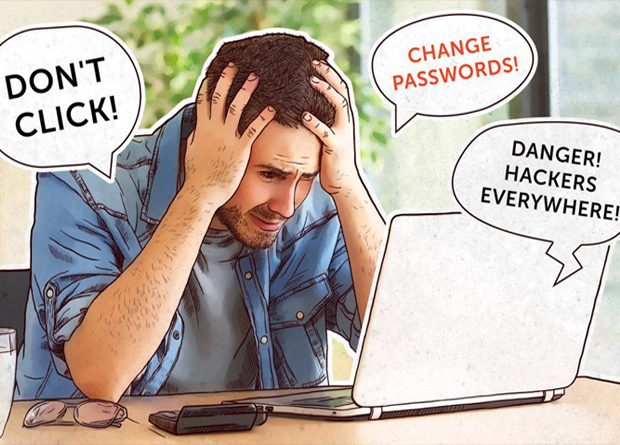
With the amount of personal data shared on the internet continuing to grow, some of us are resigned to think that any attempts to maintain online privacy will be doomed to failure. Kaspersky Lab recently discovered that one-in-three (32.3%) consumers do not know how they can fully protect their privacy online. This powerlessness towards digital privacy issues, called privacy fatigue, often leads to oversharing on social networks and ignoring the inherent security risks.
However, now is not the best time to let your guard down – a lighthearted or trivial attitude towards privacy could make you an easy target to cybercriminals.
In an era where nine out of ten (89.3%) people go online several times a day, the internet has become essential for modern living. This has created a tremendous challenge for users to keep all their personal details under control.
According to a recent Kaspersky Lab survey, nearly one-in-five (17%) have seen private information about themselves or their family members that should not have been in the public domain. This rises to almost a quarter (22.3%) amongst people who have children under 18.
The futile efforts to become less visible on the internet leads to a condition called “privacy fatigue”. Privacy fatigue is connected with living under constant strain, with a permanent feeling that third parties are taking advantage of your personal information, with all resistance being pointless.
In fact, some people believe they don’t have enough power to stand against privacy violation. A third (32.3%) don’t know how they can fully protect their privacy online and one-in-ten (13%) have lost interest in how they can further improve their privacy.
Such helplessness towards privacy issues has also affected people’s online behavior. A fifth (19%) do not make extra efforts – like regularly clearing browsing history or using special add-ons to block online tracking features – to secure their privacy while surfing the internet from their devices.
“The increase in data breaches, coupled with the difficulty in managing online personal data, leads to consumers feeling a loss of control and making them weary of having to think about digital privacy. Whilst there is no silver bullet, there are plenty of ways for them to reduce their risk. This starts with basic digital hygiene but encompasses using advanced tools and technologies to help them get their digital privacy in order,” explained Marina Titova, head of consumer product marketing at Kaspersky Lab.
This longstanding apathy can lead to sizeable problems. Today, there are numerous cybercriminal prepared to capitalize on others’ privacy and make a profit by manipulating users’ personal information.
In order to secure your digital privacy, Kaspersky Lab recommends some simple steps to follow:
- Start managing your digital footprint: keep a list of your accounts and regularly check if your data has become publicly accessible. Create a secondary email too
- Use special digital tools that allow surfing the internet safely, like Private Browsing or detecting any webcam or mic access by untrusted apps
- Install reliable security solutions that include a set of utilities to minimize the risks of privacy violation such as Kaspersky Security Cloud, Kaspersky Secure Connection and Kaspersky Password Manager