

































































With half (48%) of people still failing to protect their mobile devices, and only 22% using anti-theft solutions, pick pocketers that get their hands on a smartphone could be in for more of a treat than even they hope for.
This is one of the latest concerns raised by Kaspersky Lab, which has found that people are leaving their devices – and the increasing amount of precious data on them – accessible to anyone.
Many people today rely on their mobile devices to access the Internet and carry out online activities, so losing a device to petty crime is potentially more damaging and upsetting than ever before. For example, 68% of individuals say they regularly use the Internet on a smartphone (up from 60% in 2016) and 34% now regularly use a tablet to get online.
As such, several types of precious data are being stored on, and sent from, these gadgets. For example, over a third (35%) of people use their smartphone for online banking, which of course provides access to valuable financial information. Furthermore, 57% of people regularly use their smartphone for accessing their personal email accounts and 55% say they use it for social media activities, both of which involve a huge quantity of sensitive data.
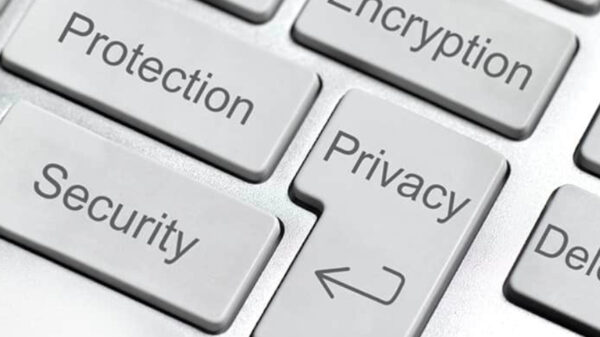
But having a lot of precious data on their mobile devices doesn’t necessarily make people conscious and secure – less than half (48%) of people password-protect their mobile devices and just 14% of people encrypt their files and folders to avoid unauthorised access. So, if these devices fall into the wrong hands, all of this data – from personal accounts, to photos, messages and even financial details – could become accessible to someone else.
Even losing devices that are protected with passwords can still have significant consequences. For example, less than half (41%) of people make backups of their data and only 22% use anti-theft features on their mobile devices, meaning that these devices’ ex-owners will likely experience a lack of access to their own personal information and accounts as a result.
Dmitry Aleshin, VP for Product Marketing, Kaspersky Lab said, “We all love our connected devices because they give us access to vital information, from anywhere at any time. They are valuable items that criminals naturally want to get their hands on, and their job is made easier by the fact that every other pickpocketed phone is not password protected. There are a few really simple things that everyone can do to secure their devices and the data they hold. By applying password protection and using a dedicated security solution, including anti-theft protection, you can protect your personal information, photos and online accounts from both loss and malicious usage.”
Kaspersky Security Cloud and Kaspersky Internet Security for Android are designed to help individuals protect their mobile devices. Kaspersky Security Cloud, for example, automatically adapts to user behaviours, thereby providing powerful protection no matter what circumstances they find themselves in. In addition, Kaspersky Internet Security for Android urges users to password protect their devices, successfully securing them against both online and offline threats – be it theft, malware or the prying eyes of strangers.