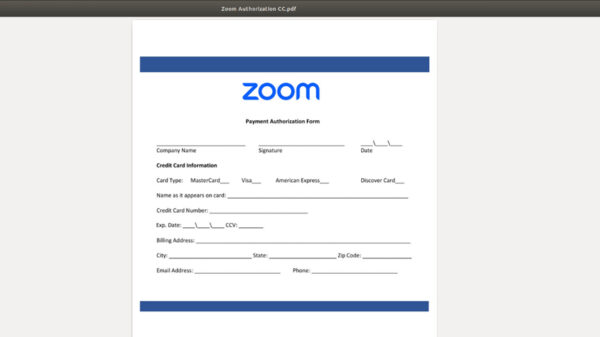
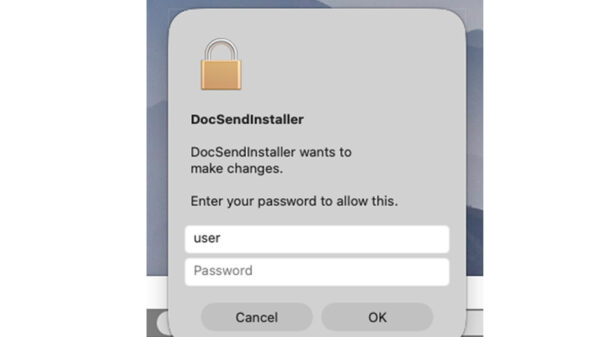
Keeping online accounts secure is more important than ever, with a growing number of fraudsters trying to steal information, such as passwords and personal banking details, using a method known as phishing, in which they impersonate a business through emails and fake websites.
In fact, PayPal reports it receives close to 15,000 phishing reports each day from around the world. Fraudsters often try and trick people into handing over account password or personal information, typically using email, and then use what is given them to compromise account.
“Scammers can impersonate you online, steal money from your bank account, and use your online identity to perpetuate their scams on others,” said Rahul Shinghal, GM for Southeast Asia, PayPal.
As a customer, there are some things one can do to help keep one’s account secure.
Who sent that email?
When you get an email from someone asking for personal information, look at the address. Fraudsters will often try and make it seem as if a message is coming from a company like PayPal, but something is always a little off.
“Look for red flags such as poor grammar or spelling, and URLs and domains that don’t match the sender,” Shinghal said.
Warning signs include any email that demands you respond urgently, asks for your social security number or banking information, or includes suspicious attachments.
“Don’t click on email attachments unless you are sure of its origins, and don’t click on emailed links unless you know where the link is going,” Shinghal said.
If you see a link in an email, don’t click on it: It’s hard to determine where that emailed link will really take you. In the case of phishing, what you think is a legitimate URL could lead you to a fake website designed to steal your username and password.
Be careful what you post
In this social media age, we’re all a little more willing to post things like our hometown, pet names and birthday. If you’re also using some of those personal details as password reset questions, then you could be inadvertently handing your virtual keys over to an attacker. Be vigilant about what you share online and with whom.
Choose unique passwords
Good online security starts with a secure password. One fundamental thing you can do to keep yourself protected is to use unique passwords for all your accounts, especially those that include banking information. That way if someone gains access to one of your accounts, they won’t get into others as well. You should also enable two-factor authentication where possible.