The online shopping ecosystem in the Philippines is continuously growing, and one can now find just about everything online – from clothing, to books, groceries and just about everything else. While online shopping is convenient and offers a wide variety of products, there are still some to-dos to help safeguard us from falling prey to online fraudsters.
Here are some tips for more secure online shopping.
#1 Use Credit Cards and Trusted Online Payment Systems
Link credit card to a PayPal account to enjoy rewards such as cashbacks and rebates. This year, try checking out online purchases with PayPal (look out for the PayPal button when checking out). PayPal allows users to link multiple credit cards to an account, enabling one to select a suitable card for each of the purchases while keeping financial details secure. Rewards associated with each card can also be enjoyed. When using PayPal to pay, the Buyer Protection policy covers eligible purchases should anything go wrong with a purchase.
#2 Always Shop on Secure Websites
Look out for the “https” prefix and padlock symbol in the website’s URL. This means that the site is secure and any financial or personal details provided are encrypted. To be extra sure, check if this website has a social media presence (Facebook and Instagram account) and read through the reviews to see if there are any concerns raised by other customers. When creating accounts at one’s favorite merchant sites, be sure to use a strong and unique password. It is often easier just to use a repeat or simple password to speed up the process, but this could put one at risk of online fraud.
#3 Beware of Phishing Emails
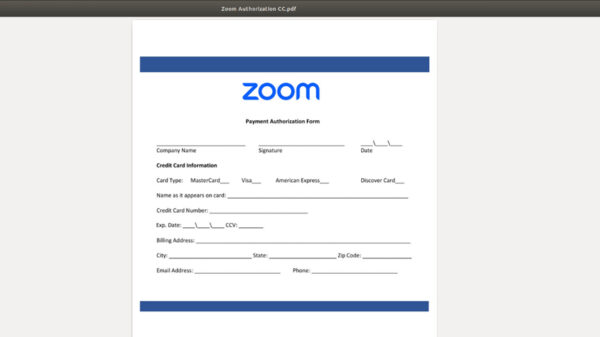
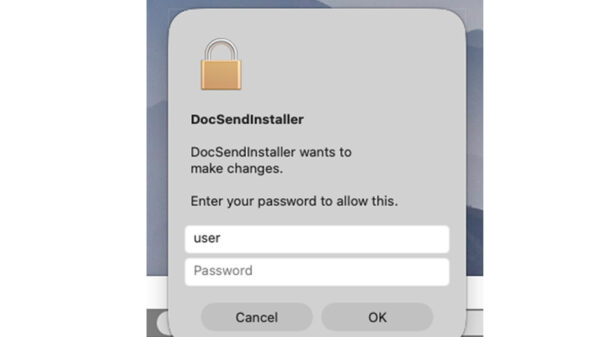
During key shopping periods like the Mid-Year Sale, Pay Day Sale, and Christmas, one is likely to be swamped with festive e-mailers from online stores telling one about promotions. While it may be tempting to click through, keep a lookout for tell-tale signs that it could be a phishing email.
#4 Avoid Online Shopping on Public Wi-Fi
Free public Wi-Fi can be a boon while sitting in cafes or waiting around for friends at shopping malls. It is also risky as many Wi-Fi hotspots are not encrypted. If you are shopping or doing your bank transactions online while on a public Wi-Fi network, you could be in danger of having your data stolen.
To do financial transactions on a mobile device, always use personal data network. Better to be safe than sorry.