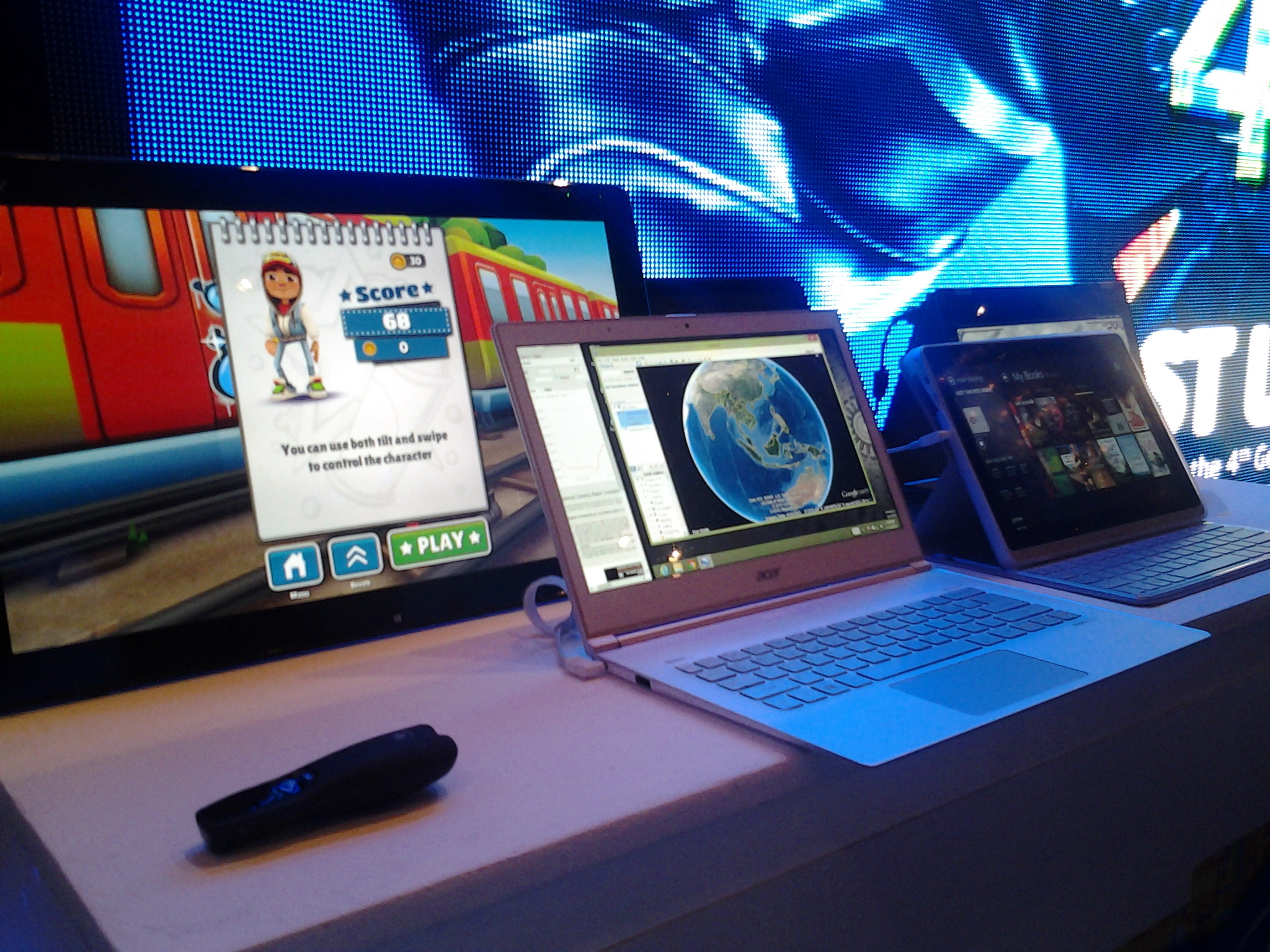
Most collaboration applications will be equally available on desktops, mobile phones, tablets and browsers by 2016, according to Gartner, Inc. Currently, a variety of apps and services for mobile content access, collaboration and productivity enable employees to collaborate in real time and work more effectively, but the fragmentation of options creates complexity and challenges for the IT organization.
“In the past, collaboration on mobile devices meant interaction through wireless messaging and voice calls,” said Monica Basso, research vice president at Gartner. “Today, smartphones and tablets have larger screens, touch-based user interfaces (UIs), location support, broad network connectivity, enhanced cameras and video support, voice over IP (VoIP), and so on. Such features enable a range of applications — both traditional and new — for employees to better communicate, collaborate, socialize, create and consume content.”
Most current mobile collaboration initiatives are tactical and motivated to solve a specific issue, with organizations often using multiple tools — given the relative fragmentation and lack of standardization. This is set to mature over the next three to five years to the point where every business will be using mobile collaboration to empower workers, make them more productive and engage customers in better interactions.
“Mobile devices enable a new generation of collaboration and three trends are rapidly boosting mobile collaboration strategies and investments in organizations. These are: bring your own device (BYOD), personal cloud file sharing and the increasing availability of mobile applications,” said Ms. Basso.
The BYOD trend is already affecting organizations and will continue to drive new mobile and client computing strategies in the coming years. Employees who bring their own consumer smartphones and tablets to work, initially ask for and receive support for corporate email, calendar and contacts. Before long, they begin to use other apps that make it easier to get their jobs done.
Personal cloud file synchronization and sharing services are expanding in scope and capabilities, driven by smart devices and tablets. Gartner predicts that by 2016, the average personal cloud will synchronize and orchestrate at least six different device types. Sharing capabilities are a “must have,” especially for tablet users. Given the lack of USB ports to easily move files, synching capabilities are essential for smartphone users — for example, to store pictures and videos taken with the device camera. People need to move files such as documents, audio, pictures and videos across their multiple mobile devices, PCs, network drives and other storage repositories.
Mobile applications have transformed the internet from a web-centric to an app-centric model. Regardless of what technologies or architectures are used to build them, mobile apps have become the primary entry point for individuals to access and consume complex information and functionality. Mobile collaboration can also take place in specialized corporate apps for selected workforces that use mobile devices heavily in their job — involving both internal peers, as well as external people such as partners or end customers.
“Empowering workers with mobile collaboration capabilities through smart devices, personal cloud sharing and mobile apps is a smart move for organizations to innovate in the workplace and stay competitive,” said Basso. “Nevertheless, a number of challenges can arise from piecemeal, poorly-architected implementations. Successful deployments of mobile collaboration will need an analysis of business requirements — understanding the potential risks and restrictions while assessing existing investments and obsolescence trends.”