As more transactions are made without the use of cash, the use of credit cards continues to climb[1]. However, the increase in credit card usage also comes with an increase in credit card scams and other forms of digital fraud that look to prey on unsuspecting members of the population.
Digital Fraud in The Philippines
In a consumer survey commissioned by global credit agency TransUnion last year, findings from the Philippines showed that 71% of respondents were targeted by digital fraud attempts via email, phone calls, text messaging and other online channels within a three-month period beginning from September 2022. Among those targeted, 11% of respondents fell victim to some form of digital fraud within the same timeframe.
While the local financial sector is collectively beefing up measures against cybercriminals[2], the methods in which fraudsters aim to scam victims are also growing more sophisticated in style and scale. As the digital fraud rate in the country still stands at a level higher than the global average[3], here are practical ways to help protect yourself or your business from falling victim to digital fraud.
Guard your online information
Avoid entering financial information on public computers or when using public wi-fi. These computers could contain software that captures passwords or other details upon entry. When browsing the internet, look for an “https:” at the start of a web link especially when banking or ordering things online.
Monitor your accounts
It is recommended to regularly monitor your financial accounts to keep an eye on your balances and your account activity. As most banks and financial institutions now offer personal banking apps for added convenience, some apps have transaction alerts to update users of any transactions made. The use of such features can help ensure that any unauthorized transactions are quickly caught.
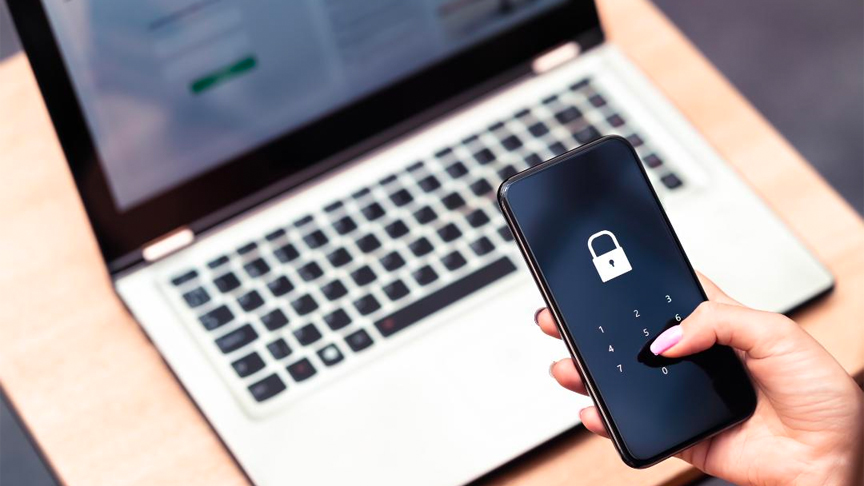
Enable multi-factor authentication
Multi-factor authentication is a means of online identity verification that requires users to show multiple means to verify one’s identity when logging into a website or using a service. These factors can be something you know (your password), something you have (a verification code sent to your mobile number), or something inherent to you such as your face or your fingerprint. Having multi-factor authentication activated can help keep fraudsters from successfully carrying out some attacks.
Think twice about sharing information
As phishing scams are usually carried out through email, be cautious of emails that request information. One way to prevent falling victim to phishing scams is to check the content of the email. Was it sent from a public email domain? Is the domain name or message misspelled? Is it poorly written? These are telltale signs of phishing. Being able to identify these signs is a big help in keeping you and your financials safe.
Check your credit report
Credit reports contain information about your credit history. They also help you understand and improve your credit status. To catch any potentially fraudulent activity from going under your radar, review your credit report for any suspicious details such as accounts you did not open. You can request for a credit report from TransUnion Philippines here.
Implement fraud detection tools
For business owners, having fraud detection tools at your disposal can help you catch fraud before it affects your bottom line. Aside from credit reports, TransUnion Philippines also offers TruValidate™ – a host of solutions that work by using data and analytics to stop fraud as it happens. Solutions include identity proofing to validate consumers with confidence, risk-based authentication to verify consumers with ease, and fraud prevention to identify risky transactions and fraudulent devices in real-time.
Report suspicious activity
If you think you may have fallen victim of any form of financial fraud, contact your bank as soon as possible. The sooner your bank is made aware of what has transpired, the better your chances of your hard-earned funds being recovered.
[1] Philippines: card payment transaction value 2022 | Statista
[2] https://www.bsp.gov.ph/Media_And_Research/Primers%20Faqs/Digital%20Payments%20Transformation%20Roadmap%20Report.pdf
[3] https://newsroom.transunion.ph/transunion-report-finds-digital-fraud-attempts-fall-18-in-the-philippines-but-rise-80-globally-from-pre-pandemic-levels/