































































As Heritage Month shines a light on culture, history, and shared identity, institutions are rethinking not just what stories they tell, but how those stories are experienced. Museums, galleries, and public spaces have long relied on traditional formats, yet today’s audiences expect content that is clear, visible, and easy to understand, especially in large or high‑traffic environments.
Audiences scan, observe, and engage at a glance. This has changed how cultural content is presented. Instead of relying solely on printed panels or static displays, institutions tasked with preserving heritage now turn to using large‑scale visuals to guide attention, highlight detail, and make information easier to absorb. Clear visuals help visitors connect with timelines, artworks, and historical narratives more naturally, without overwhelming the space.
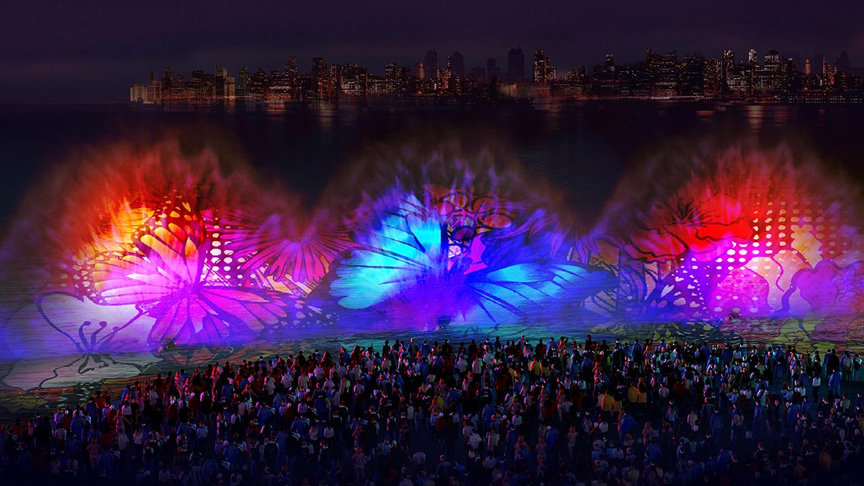
Projection plays a practical role in this shift. It allows content to be shown at scale, updated when needed, and shared with more people at the same time. Whether it is a timeline of historical events, detailed artwork, or educational material, clear visuals help audiences connect with content more naturally.
Built for Scale and Visibility
For large venues and major installations, visibility is critical. A historical mural loses impact when details blur at a distance. A restored photograph is diminished when ambient light washes it out. Cultural content must remain clear across wide spaces, often under mixed lighting conditions and continuous foot traffic.
Epson supports this need with high‑brightness projection solutions such as the EB‑L30000UNL, which delivers up to 30,000 lumens. This level of brightness allows detailed heritage material—such as large‑scale archival images or historical maps—to be displayed clearly across walls and exhibition spaces without losing clarity to surrounding light. By enabling consistent visibility in demanding environments, Epson helps institutions present content with confidence—knowing displays will perform as intended throughout an exhibit’s run.
Reliability is equally important. Long‑running exhibits and permanent cultural installations require technology that can perform consistently over time. With a light source that offers up to 20,000 hours of operation without maintenance, Epson’s projectors are designed for continuous use, helping institutions keep displays running smoothly while managing costs and resources efficiently.
Flexible for Different Cultural Spaces
Not all cultural venues are the same. Some require permanent installations, while others need flexible setups that adapt to rotating exhibits or changing programs.
Epson’s L‑Series projectors are designed for this range of use. Offering up to 8,000 lumens with 4K enhancement, they deliver clear visuals in both controlled and well‑lit environments. This makes them suitable for galleries, classrooms, and smaller venues where space may be limited but clarity remains essential.
Features such as short‑throw projection allow large images even in tight spaces, while flexible installation options make it easier to adjust setups without altering the environment. Wireless connectivity also enables teams to update and manage content more efficiently—particularly useful for institutions that regularly refresh displays.
Designed with Long-Term Use in Mind
Beyond performance, many cultural institutions are also considering how technologies fit into long‑term operations. Epson’s projection solutions are built with durability and efficient use in mind. Laser light sources reduce maintenance demands, while stable performance supports consistent output day after day—minimizing disruptions in spaces where reliability builds trust.
At a broader level, Epson has also taken steps to contribute to environmental conservation. The company has transitioned to 100% renewable electricity across its global sites, helping lower emissions linked to production. Projector packaging uses over 80% recycled cardboard, with additional efforts to reduce material use and improve resource efficiency.
“Through efficient, compact, and precise technologies and engineering that solves real-world issues, Epson has always focused on creating new value for the real world,” said Masako Kusama, President and Director of Epson Philippines Corporation. “We continue to build on our legacy by creating solutions that make content clearer and more accessible, while supporting responsible use of resources.”
As cultural institutions continue to evolve, the way stories are presented becomes just as important as the stories themselves. With clear, reliable projection, heritage is not only preserved, but also made more visible, accessible, and meaningful, allowing each generation to experience it in ways that resonate, connect, and endure.
To learn more about Epson’s projection solutions, visit www.epson.com.ph.