Despite powering the Philippine economy, many small and medium enterprises (SMEs) still struggle to access the financing they need to grow. Limited access to credit continues to constrain businesses from expanding operations, investing in new opportunities, creating jobs, and strengthening long-term resilience—ultimately slowing the growth potential of a sector that accounts for 99.6 percent of businesses and 67 percent of employment, according to the Bangko Sentral ng Pilipinas.
At the core of this challenge is a data gap. Many lenders still rely on fragmented or incomplete information, alongside inefficient data collection and risk assessment processes. This makes it difficult to accurately evaluate SME creditworthiness, often resulting in slower onboarding, higher perceived risk, and lower loan approval rates. As a result, many viable businesses remain underserved by the financial system despite strong demand for financing.
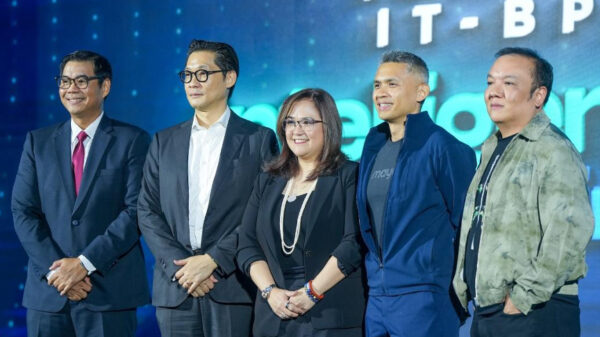
“Many lenders still face challenges in assessing SMEs due to fragmented data and manual onboarding processes,” said CIBI Head of Individual and Business Credit Solutions and Partnerships Edith Roberto at an industry event on positive credit awareness and discipline. “Limited visibility into SME operations makes it difficult to accurately assess creditworthiness, contributing to higher perceived risk and lower loan approval rates despite strong demand for financing.”
Data from the World Bank reinforces this trend. The 2025 Philippines Economic Update noted that the share of businesses using banks, nonfinancial institutions, and supply chain finance for investments is among the lowest in the region. Filipino companies are also more likely to be rejected for credit than their regional peers. These challenges are due to the absence of a comprehensive credit registry, limited use of alternative credit scoring models, and companies’ inability to produce collateral.
Reframing SME lending
Bridging the gap between access and growth requires comprehensive, structured, and reliable data. A growing number of banks and fintechs are adopting data-driven processes across the credit underwriting lifecycle. This approach enables lenders to identify high-potential borrowers, conduct due diligence more efficiently, and streamline credit assessments using more robust risk indicators.
Beyond initial loan approval, financial institutions are also using data to monitor early risk signals and trends, and benchmark performance against peers and market trends.
“Every decision enabled by trusted data helps expand access to credit for more Filipinos, strengthen trust across businesses and institutions, promote responsible lending and hiring practices, and ultimately, support a more resilient and inclusive economy. When decisions are powered by trusted data, opportunities become more accessible for everyone,” said Roberto.
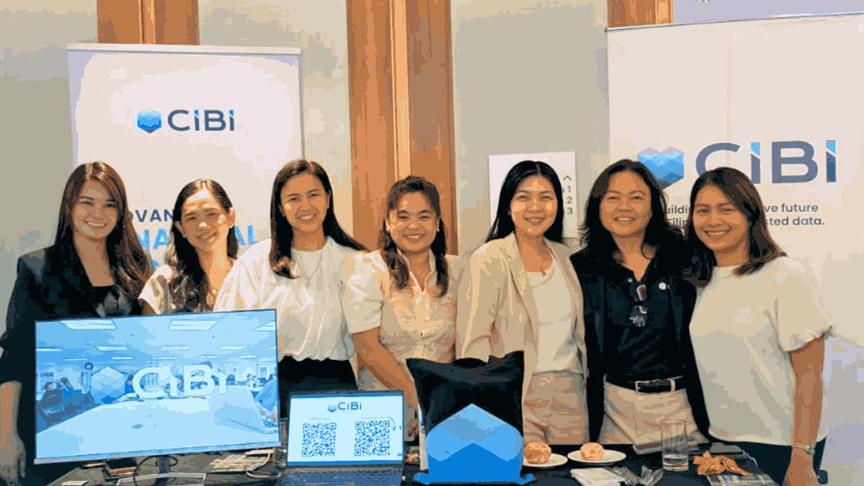
Institutions like CIBI Information Inc. are supporting lenders with access to more structured and reliable business data to improve SME credit assessment. Credit bureaus such as CIBI provide actionable reports that include in-depth business profiles, financial trend analysis, and risk insights that help lenders make faster and more informed decisions throughout the underwriting process.
Improving access to financing remains critical to sustaining SME growth in the Philippines. This will require stronger data infrastructure and more efficient credit evaluation systems. With better access to reliable information, lenders can more accurately assess risk and extend financing to viable businesses that may otherwise be overlooked.