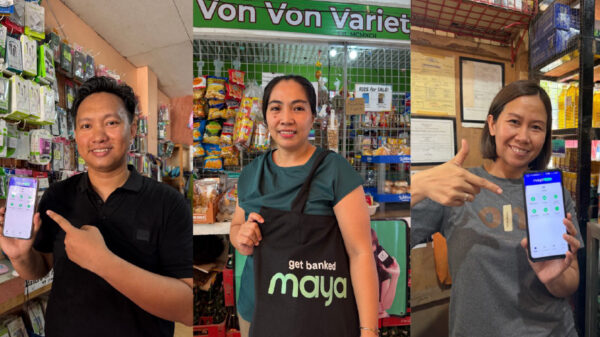
Amidst the damages brought by a record-breaking typhoon season in the Philippines, sari-sari stores exhibited high resilience and a signal source of supply for neighboring communities affected by storms.
This is the latest insight from Filipino tech startup Packworks.io, which analyzed over a million monthly sales transactions from more than 300,000 sari-sari stores nationwide through its business intelligence platform, Sari IQ.
Packworks researched historical data from 2024 on sari-sari stores in some of the hardest-hit areas in the Philippines. Among those measured were Batangas from Region IV-A, Cagayan and Isabela from Region II, and Albay, Camarines Norte, Camarines Sur, and Catanduanes from Region V.
Data reveals that sari-sari stores in these areas saw an overall 27% increase in average daily gross merchandise value (GMV) and a 50% rise in transactions a month after six typhoons hit between October 23 and November 18.
The year 2024 holds the record for the most decommissioned names in a single season since the Philippine Atmospheric, Geophysical, and Astronomical Services Administration (PAGASA) began the current naming scheme in 2001, with eight typhoon names due to the significant damage and destruction they caused.
These sales trends were driven mainly by the provinces located in the Bicol region, which saw a combined 50% spike during a typhoon and a further 26% increase in average daily GMV after a typhoon hit. The Bicol region, located on the southeastern part of Luzon, is one of the first major landmasses to be hit by typhoons entering the Philippine Area of Responsibility (PAR) and often bears the brunt of a typhoon’s strength, creating an urgent need for supplies and driving increased demand for essential goods from sari-sari stores. Notably, Camarines Norte saw a staggering 105% increase in the average GMV after a typhoon hit.
“These data findings challenge the common belief that micro businesses are less resilient during bad weather conditions. Through presence and grit, our store owners have figured out how to persevere and even positively thrive amid natural calamities, creating real business value and opportunities while aiding in the community’s recovery.” said Packworks Chief Data Officer Andoy Montiel.
Packworks’ data also examined buying habits in sari-sari stores during typhoons compared to before they hit in the analyzed areas. Findings reveal that cigarettes and gin were the top-selling items during typhoons, suggesting a continued demand for these discretionary goods even in times of crisis. Gin saw the highest GMV percentage change, with a median increase of 14% among seven affected provinces, while cigarettes followed with a 12% median increase among six provinces. Meanwhile, easy-to-eat items were also top purchases, with powdered coffee recording a midpoint GMV increase of 10% in six provinces and biscuits a 2% GMV median increase in seven provinces.
There were further shifts in the buying trends after a typhoon hit, as communities began their recovery, notably detergent became one of the top-selling items across five provinces with a 7% GMV share, causing a temporary spike in demand for cleaning supplies for typhoon-stricken households.
“With the uncertainty of climate change, our data analytics asserts the stable role of sari-sari stores as a reliable, responsive, and vital part of the grassroots retail ecosystem during a crisis. True to the idiom: ‘when it rains it pours’ – understanding these just-in-time, on-the-ground realities is key to informing businesses and policymakers with a prepared plan and help realize a more agile supply chain logistics to better serve communities when they need it most,” Packworks Chief Platform Officer Hubert Yap said.
According to PAGASA, an average of 20 tropical cyclones enter PAR each year, with eight to nine typhoons making landfall in the country’s regions. The country is forecast to brace for 7 to 15 tropical cyclones from September 2025 to February 2026.