GS1 Philippines is advocating for the adoption of barcode technology to protect consumers and lead the Philippines’ fight against counterfeit medicines and medicine supplies.
This push comes as the Philippines remains on the radar of international agencies for fraudulent medicine products.
Early this year, the US Trade Representative (USTR) cited the Philippines in its US piracy watchlist for growing concerns about the manufacture and distribution of counterfeit pharmaceutical products. In a statement, the USTR described the country as one of the leading sources of counterfeit medicines distributed globally.
In 2019, the UN Office on Drugs and Crime (UNODC) revealed the Philippines has the most cases of pharmaceutical crime incidents, including counterfeiting, in Southeast Asia.
To address these challenges, GS1 Philippines has been actively implementing Global Trade Item Numbers (GTINs), which standardize labeling and tracking systems, streamline the management of medicines and supplies, and improve the supply chain.
GTINs can capture crucial data, such as the date of manufacture, expiration date, and the manufacturer’s name, enhancing product identification and verification.
“The threat of counterfeit medicines compromises both consumer safety and trust in healthcare providers. By leveraging barcode technology, we can establish a cohesive integration of global standards that prioritizes patient safety, particularly in regions facing serious challenges with counterfeit products,” said Roberto “Bobby” Claudio, President of GS1 Philippines.
GS1 Philippines is conducting initiatives, such as seminars and activations, to promote the streamlined integration of barcode technology across the healthcare supply chain, including pharmaceutical and medical device manufacturers, wholesalers and distributors, group purchasing organizations, hospitals, pharmacies, logistics providers, governmental and regulatory bodies, and trade associations.
Teodoro B. Padilla, Executive Director of the Pharmaceutical and Healthcare Association of the Philippines (PHAP) and Officer and Trustee of GS1 Philippines, underscores the importance of collaboration to enhance barcode awareness among stakeholders in the healthcare sector.
“PHAP supports this innovation, acknowledging its potential to verify products and prevent counterfeit medicines from reaching patients. To further strengthen our fight against fake drugs, PHAP urges collaboration among pharmaceutical companies, regulatory bodies, healthcare providers, and the general public to expedite the adoption of this technology, strictly enforce regulations, and increase awareness to ensure the safety and well-being of Filipino patients,” Padilla said.
GS1 Philippines’ initiatives complement the government’s vision of modernizing the delivery and supply chain in the healthcare sector. The Department of Health (DOH) recently emphasized the need following the discovery of over PHP 1 million worth of expired medicines in Albay.
GS1’s global healthcare division, GS1 Healthcare, has been driving the implementation of GS1 Standards since 2008 to improve patient safety and supply chain efficiency.
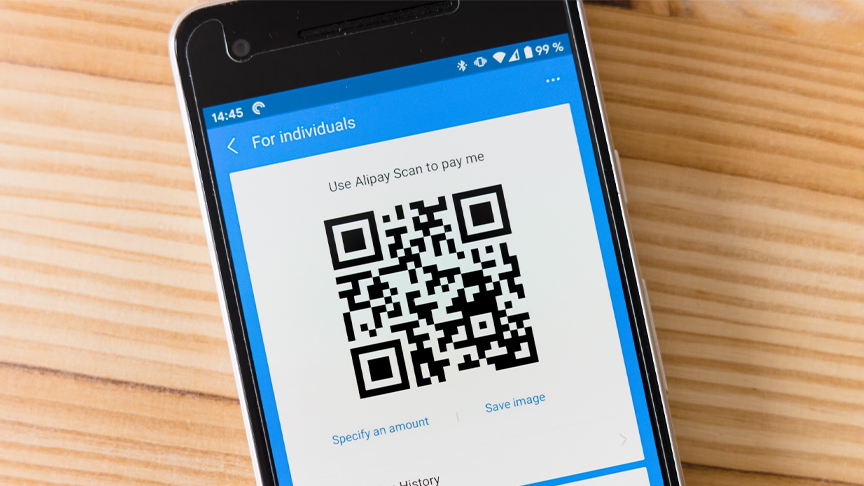
GS1 Philippines is committed to preparing local industries for the global shift to 2D barcodes by 2027, aligning with international standards and enhancing the country’s competitiveness in the global market. With the adoption of 2D barcodes, which include GS1 DataMatrix, products can carry comprehensive data, ensuring globally recognized identification and traceability in the healthcare sector.
With over 5,000 members nationwide, GS1 Philippines continues to expand its support for various industries, including 31 companies actively utilizing barcodes in the healthcare supply chain.