The cashless wave continues to gain momentum in the Philippines as consumer habits shift away from cash dependence, and more towards usage of cashless payments. This is according to Visa’s latest Consumer Payment Attitudes Study, which indicates a notable decline in cash usage to 87%, from 96% in 2022.
The Visa Consumer Payment Attitudes Study is an annual study covering payment behaviors of Filipino consumers when it comes to digital payments, digital banking and the future of commerce. The latest edition is in its 10th year running and was based on interviews conducted in October to November 2023 with 1,000 Filipino consumers aged 18-65 years old, spread across different cities/regions and income brackets, with the minimum monthly income being PHP 12,000.
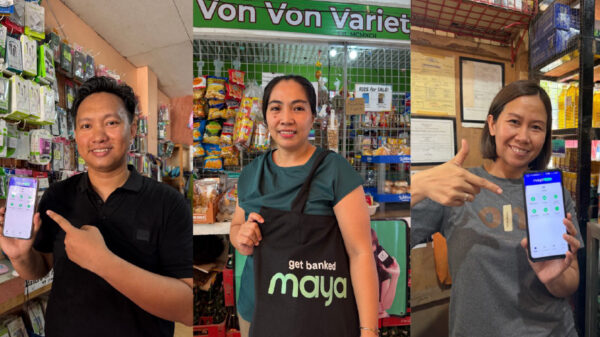
Driven by the younger (Gen Z and Gen Y) and more affluent segments, Filipino consumers are increasingly embracing cashless transactions, going without cash for an average of 10 days. Specifically, card payments usage was at 70% (including swipe / insert, online, and tap-to-pay / contactless payments) in 2023, while mobile wallets usage stood at 87%, on par with cash transactions.
43% of Filipinos who were surveyed now carry less cash in their wallets mainly due to the growing consumer habit of using cashless and contactless payments, alongside the increasing acceptance of cashless payments among stores & merchants.
Supermarkets (88%), food and dining (86%), and bill payments (82%) are the leading merchant categories that consumers observed to have opened up acceptance of cashless payment methods compared to a year ago.
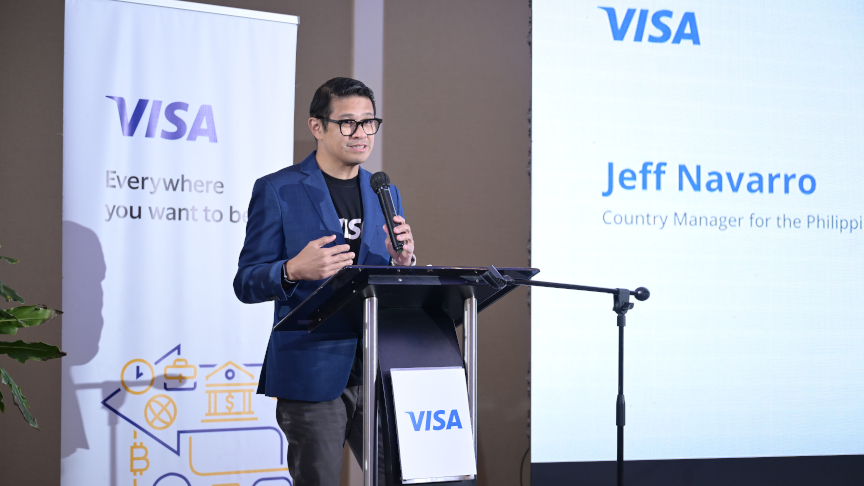
“Filipinos are becoming more comfortable with cashless payments, and we are confident that they will continue to embrace new innovations in the digital payment landscape,” says Jeff Navarro, Visa Country Manager for the Philippines. “With growth attributed to increasing payment acceptance across merchants for cards, both dip and contactless, as well as mobile wallets, Visa remains committed to ensuring a seamless transition to a cash-lite society by providing secure and convenient digital payment solutions.”
Growing acceptance and usage of contactless payments among Filipinos
Contactless payments – including contactless cards, QR codes, and mobile wallets – are driving the growth of cashless payments in the country.
According to the study, about 9 in 10 Filipinos are aware of and interested in using contactless cards and QR codes when paying for their transactions. Specifically, 32% of Filipinos used contactless cards for their payments in 2023, mainly driven by the affluent population. Meanwhile, 55% used QR codes, with at least 50% adoption across age groups except for consumers aged 59-65 (31%).
Among mobile wallet users, paying through QR codes is the most preferred method for 38% of consumers, making mobile wallets the most preferred funding source for QR payments. Scanning the QR code in-store is the preferred mode of payment by 78% of its users.
When travelling overseas, Filipinos prefer to use cards for cross-border payments, where 55% of consumers prefer debit and credit cards for the convenience, time savings, and hassle-free user experience. An emerging trend is the use of QR codes for cross-border payments, with 37% of Filipinos currently aware of and have tried using it. Meanwhile, 69% of those who have not tried it have expressed interest in using it in the future.
Road to a cashless society
With the shift to digital forms of payment, 52% of consumers are confident to go without the use of cash, and rely on cashless payment methods entirely for at least a week. Moreover, 1 in 3 consumers (37%) believe that the Philippines will be a cashless society by the year 2030 – if not sooner.
“Our study shows that the cashless wave is maintaining its momentum in the Philippines. We are moving closer to achieving a cashless Philippine society, but we still have some way to go,” said Navarro. “Visa plays a strategic role in the payment ecosystem to drive financial and digital inclusion by partnering with the government, banks and financial institutions, and fintechs to support the development of digital payments in the Philippines. We are supporting the digitization journey in the Philippines – such as Bangko Sentral ng Pilipinas’ Digital Payments Transformation Roadmap – by providing consumers and businesses with convenient, seamless and safe digital payment solutions.”