PLDT Inc (PLDT) and its wireless subsidiary Smart Communications, Inc (Smart) have joined other industry members in a joint call to intensify the battle against illegal and intentional cable cutting.
PLDT and Smart have joined other cable and telecommunications providers in the country in embarking on the campaign dubbed, “Oplan Kontra Putol”, which condemns illegal cable cutting as a “disservice to customers.”
Illegal cable cutting involves perpetrators who intentionally cut cables and wires, and often times sell the stolen cables and wires for profit.
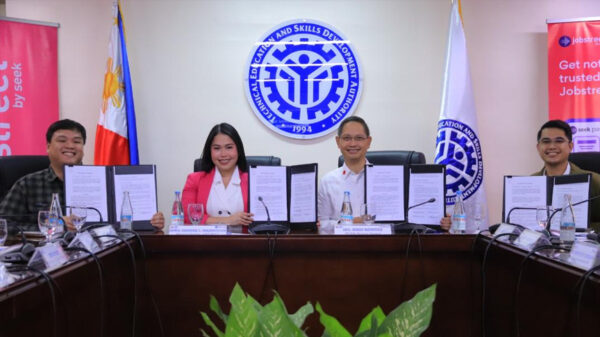
“This illegal act robs our customers of the steady internet and cable TV service they need for entertainment and access to information and disrupts connectivity required for work,” the manifesto reads. It was signed by representatives from PLDT, Smart, Globe Telecom, Inc., Metroworks ICT Construction, Inc., Radius Telecoms, Inc., Streamtech Systems Technologies, Inc., Philippine Cable and Telecommunications Association, Inc. and Sky Cable Corporation. Power utilities providers Manila Electric Co. (Meralco) and National Grid Corporation of the Philippines (NGCP) have also joined the coalition and expressed support for Oplan Kontra Putol.
In addition to pursuing a comprehensive consumer education program, the campaign also involves the deployment of efficient security and patrolling systems and a tighter collaboration with local authorities and government units.
The group has also called on law enforcement agencies to implement Republic Act No. 10515 or the Anti-Cable Television and Cable Internet Tapping Act of 2013, which criminalizes intentional cable cutting. At present, perpetrators of such incidents usually face charges ranging from theft to qualified theft, or malicious mischief, which are all covered by the Revised Penal Code.
The group also calls on barangays and LGUs to encourage their constituents and communities to be vigilant and to immediately report suspected and actual incidents of intentional cable cutting to local officials, local police, and respective service providers.
PLDT has been at the forefront of industry-wide initiatives for the mutual protection of telecommunications infrastructure across the country, helping ensure unhampered access to connectivity and telco services for families and communities.
In June of this year, PLDT’s Asset Protection & Security Risk Governance (APSRG) organized and launched the National Telecommunications Security Council (NTSC), an informal group composed of Corporate Security Professionals from the different telcos which aims to facilitate the sharing of intelligence information and the coordination of activities against the common threat posed by thieves and other perpetrators.
“PLDT’s stepped-up efforts to protect its physical assets, including its network infrastructure, is part of the company’s overall thrust to further improve customer experience,” said Atty. Oliver Carlos Odulio, head of PLDT-APSRG.
Year-on-year, PLDT logged a 422-percent increase in apprehensions related to incidents such as theft between January to July 2021 and January to July 2022. The rate of apprehensions exceeds the 59-percent increase in loss incidents for the same period. These incidents involve network equipment, such as cables and batteries, among others.
PLDT’s intensified asset protection initiatives also include the use of analytics in allocating security resources and teaming up with “force multipliers” in local government, police, and other industry security groups. These efforts have resulted to the reduction of loss incidents (down 55%) and increase of apprehensions (up 45%) between April and July 2022 alone.
PLDT operates the country’s most extensive fiber infrastructure, which was at 837,900 kilometers as of end-June 2022. This fiber infrastructure also supports Smart’s mobile network, which provides 3G, 4G/LTE and 5G to customers from Batanes to Tawi-Tawi.