






















































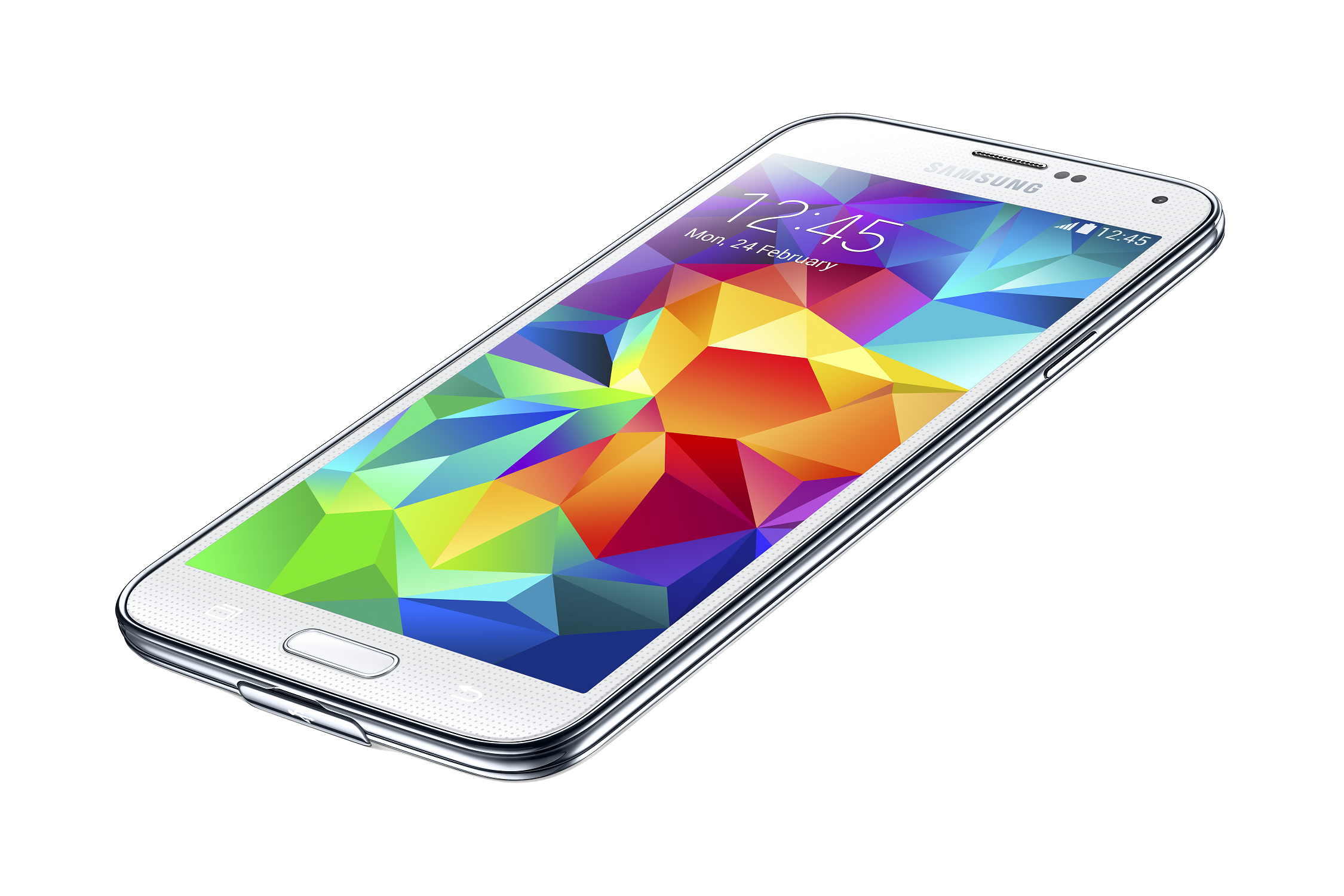
Samsung’s and Apple’s global smartphone shipment market share will decline to around 25% and 14%, respectively, by 2015 (2013: 31% and 15%), says Fitch Ratings.
The decline will be due largely to rising competition in emerging markets, where lower-priced handset models from local competitors should continue to gain market share at the expense of the big two.
In these markets, where cost is relatively more important than global brand strength or cutting-edge technology, competitors’ devices retailing at US$100-300 can offer most of the key features of more expensive phones from Samsung and Apple.
“We expect the big two’s combined smartphone shipment volume to stagnate at around 450 million-460 million units in 2014 (2013: 467 million), even as the global smartphone market rises by around 20% to 1.2 billion,” said the ratings agency.
Fitch estimates that smartphones account for roughly two-thirds of the global handset market, and we believe growth will come largely from emerging markets.
India and China together are expected to account for over 60% of growth in smartphone shipment volumes.
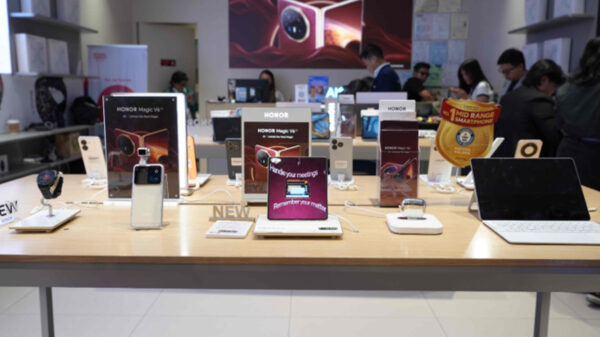
Local handset makers including China’s Xiaomi, Lenovo, Huawei and India’s Micromax Informatics are the principal large competitors for Apple and Samsung.
According to data from IDC, global smartphone shipment volumes increased by 5% in 2Q14 to 295 million units (1Q14: 281 million units). In China, Xiaomi took the lead with 15 million devices with a market share of 15% – ahead of Samsung’s 12%, which shipped 13.2 million smartphones.
Concurrently, developed markets’ smartphone profitability should also continue to decline, as market saturation and the lower incremental benefits of new models has lengthened the replacement cycle and slowed growth.
Competition has also intensified as more manufacturers have been able to produce devices which exceed most consumers’ design and technical requirements.
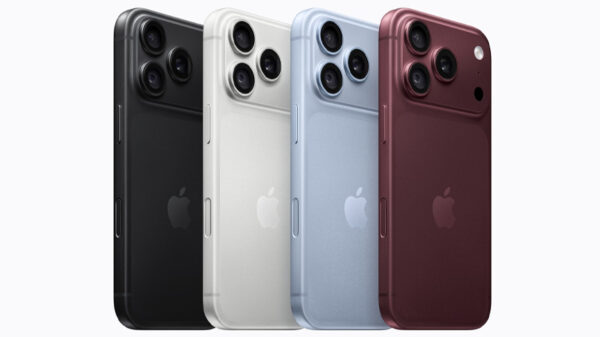
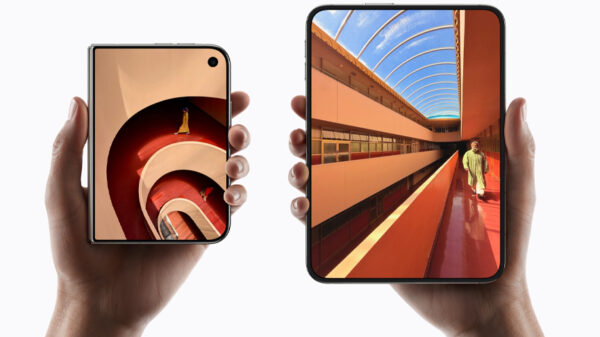
Apple’s next iPhone, rumoured to be launched in September 2014, is likely to have a larger screen, and developments are likely to be incremental rather than revolutionary.
“We believe that the innovations – which include curved screens and compatible wearable devices – are unlikely to change the trend facing Samsung and Apple,” Fitch said.